
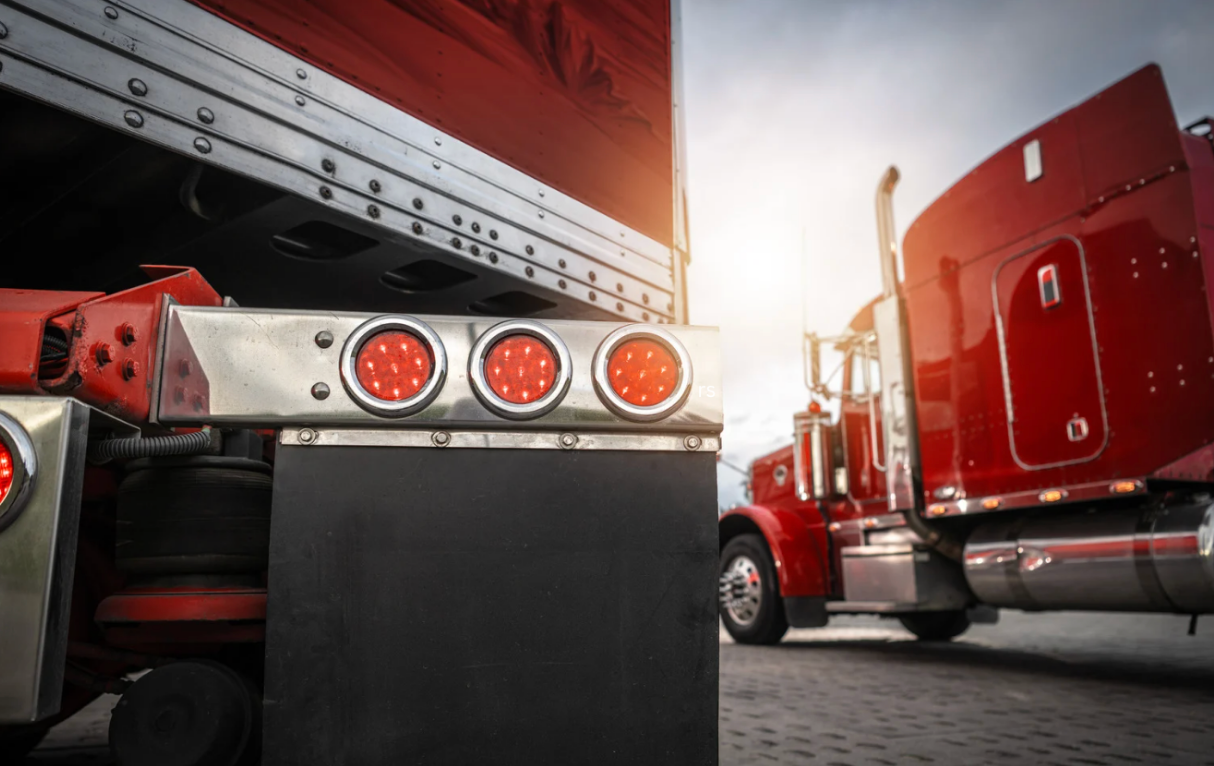
Most freight moves with a carrier that supplies both a tractor and a trailer. Power only trucking separates those two pieces. The carrier brings the tractor and driver. The shipper, broker, or third-party logistics company supplies the trailer. That single distinction changes how freight gets planned, priced, and moved in ways that matter for both shippers and carriers. Power Only Transportation is a freight service built around this model. If you are trying to understand how it works and whether it fits your supply chain, this guide breaks it down clearly.
How Power Only Trucking Works
In a standard full truckload arrangement, a carrier owns both the power unit (the tractor) and the trailer. They pick up freight, haul it, and deliver it with their own equipment throughout.
Power only removes the trailer from the carrier’s responsibility. The shipper or a logistics provider already has a trailer in place, often preloaded, and the carrier’s job is to hook up to it and move it.
The sequence typically goes like this:
- The shipper or 3PL loads and stages a trailer at the pickup location
- The shipper shares shipment details, including trailer type, weight, dimensions, pickup and delivery locations, and timing requirements
- A power only carrier is matched to the load and dispatches only a tractor and driver
- The driver arrives, hooks to the pre-staged trailer, and hauls it to the destination
- At delivery, the driver drops the trailer and follows the shipment plan for the next leg
This process works especially well in drop-and-hook operations, where speed at the dock matters and trailers are staged and ready to move.
Because these operations often involve heavy commercial vehicles moving on tight schedules. Safety protocols, driver awareness, and proper equipment inspection become critical factors in reducing roadway risk. In cases where a commercial truck collision does happen, understanding specialized vehicles involved in traffic safety, such as crash trucks, can provide helpful context.
The Difference Between Power Only and Regular Truckload
The distinction is more operational than it might appear.
In traditional truckload shipping, the carrier controls everything from pickup to delivery, including trailer availability, loading method, and the condition of their own equipment. That control is convenient for shippers who do not own trailers and do not want to think about them.
Power only shifts trailer ownership and responsibility to the shipper. According to a supply chain research study cited by logistics provider RXO, 64% of shippers already use dropped trailers in some form, which makes power only a natural operational fit for a significant portion of the market.
The tradeoff is clear. Shippers with their own trailer fleets gain flexibility and control over loading schedules. They can pre-load trailers on their own timeline and call for a power unit when freight is ready to move. Carriers get more uptime because they spend less time waiting at docks for live loads and unloads.
When Power Only Makes Sense
Not every shipping situation calls for power only. Here is where it fits best:
- You already own or lease trailers. If your company has invested in a trailer fleet, power only is the natural model. You provide the box; the carrier provides the pull.
- You run a drop trailer or trailer pool program. Power only pairs directly with drop-and-hook operations. Shippers keep several trailers on-site, load them as product is ready, and call for tractors to move them when needed.
- You need surge capacity without adding equipment. Seasonal demand peaks are easier to manage when you only need to source a tractor and driver rather than a complete rig. Power-only carriers can often mobilize faster for overflow freight.
- Your freight requires specialized trailer control. Some shippers have strict requirements about trailer cleanliness, temperature settings, or cargo handling. Supplying your own trailer removes those variables.
- Just-in-time freight under tight schedules. Pre-staged trailers mean no waiting for a carrier to back in and live-load. The trailer is ready when the driver arrives.
Power Only vs. Drop Trailer vs. Dedicated Truckload
These three service models get confused because they overlap in some operations.
Drop trailer is the practice of leaving a trailer at a facility for loading or unloading at the shipper’s convenience. A power only carrier can pick up a drop trailer once it is ready to move.
Dedicated truckload means a carrier assigns specific equipment and drivers to a shipper’s lanes on an ongoing basis, often with both tractor and trailer. It is less flexible but offers predictability in capacity.
Power only sits between those extremes. It gives shippers control over trailers and loading without locking them into a dedicated fleet arrangement.
Trailer Types That Work With Power Only
Power-only carriers can haul multiple trailer configurations, though not every carrier handles every type. The most common include:
- Dry van trailers. Enclosed trailers for general freight, the most common configuration
- Flatbed trailers. For oversized cargo, lumber, steel, and construction materials
- Refrigerated trailers (reefers). Temperature-controlled freight with the trailer’s refrigeration unit running independently of the tractor
- Shipping containers. ISO containers from intermodal operations
Reefer and flatbed loads typically carry higher per-mile rates than dry van because of added complexity and a smaller pool of qualified carriers. Rate pricing for power only is quote-based and reflects distance, trailer type, timing, market conditions, and any accessorial charges like detention or layover fees.
What to Look for in a Power Only Provider
Choosing the right power only partner involves a few practical checks:
- DOT authority and active operating status. Verify the carrier’s FMCSA registration before booking. Active authority is a basic requirement.
- Experience with your trailer type. A carrier experienced in dry van may not be the right fit for reefer or flatbed moves. Confirm they have handled your specific equipment configuration.
- Interchange agreement capability. Power-only moves require a trailer interchange agreement between the carrier and the equipment owner. A provider that handles this paperwork regularly is one that has done this before.
- Insurance coverage for non-owned trailers. The carrier needs non-owned trailer coverage for the time the trailer is in their possession. Confirm this is in place before the hook.
- Load board and technology access. Established power only providers use freight matching technology and carrier networks to find available tractors quickly. That matters most when you need surge capacity on short notice.