
A slow drain often starts as a minor annoyance, such as water pooling in a sink, a shower draining slowly, or a toilet that does not flush as strongly as it should.
Over time, buildup from grease, soap, hair, food waste, and mineral deposits can narrow pipes and restrict flow until a full blockage develops. Left alone, a simple clog can lead to backups, foul odors, pipe strain, and costly repairs.
For homeowners looking into Drain Cleaning Lakewood CO, understanding what causes drains to slow down. Together with which cleaning methods actually solve the problem, and when professional equipment is needed, can help stop small plumbing issues from turning into emergencies. Drain Terrier handles drain cleaning in the Lakewood area.
This guide covers practical drain maintenance, professional cleaning methods, and what to expect from a service visit.
What Causes Drains to Clog
Different drains clog from different materials, and knowing the source helps you choose the right solution.
- Kitchen sink and garbage disposal drains. Grease, cooking oils, and food particles are the primary culprits. Grease flows down the drain as a liquid and congeals as it cools inside the pipe. Over time, congealed grease narrows the pipe diameter and catches additional food debris until flow slows or stops entirely. Garbage disposals do not grind grease; they accelerate its entry into the drain line.
- Bathroom sink and tub drains. Hair is the main cause, combined with soap scum. Hair tangles around the stopper mechanism and catches additional debris. Most bathroom sink clogs sit within a foot of the drain opening and are accessible with a drain snake or zip tool.
- Toilet drains. Non-flushable items are the most common cause of toilet clogs: wipes labeled “flushable” (they are not), feminine hygiene products, cotton swabs, and excessive toilet paper. Tree root intrusion into sewer lines also presents first through the toilet since it is typically the lowest fixture in the home.
- Floor drains in basements and laundry rooms. Often ignored until they back up. These drains connect to the main sewer line and slow when the main line is partially blocked. A slow floor drain when other fixtures are fine usually points to a localized issue. A slow floor drain when other fixtures also drain slowly points to a main sewer line problem.
- Main sewer line. Tree roots, pipe scale buildup, collapsed sections, and grease accumulation all affect the main line that carries waste from all fixtures to the municipal sewer or septic system. Mainline issues present as multiple fixtures draining slowly or backing up at the same time.
Drain Cleaning Methods: What Professionals Use
Not all clogs respond to the same treatment. Understanding the methods helps you ask the right questions when getting a service quote.
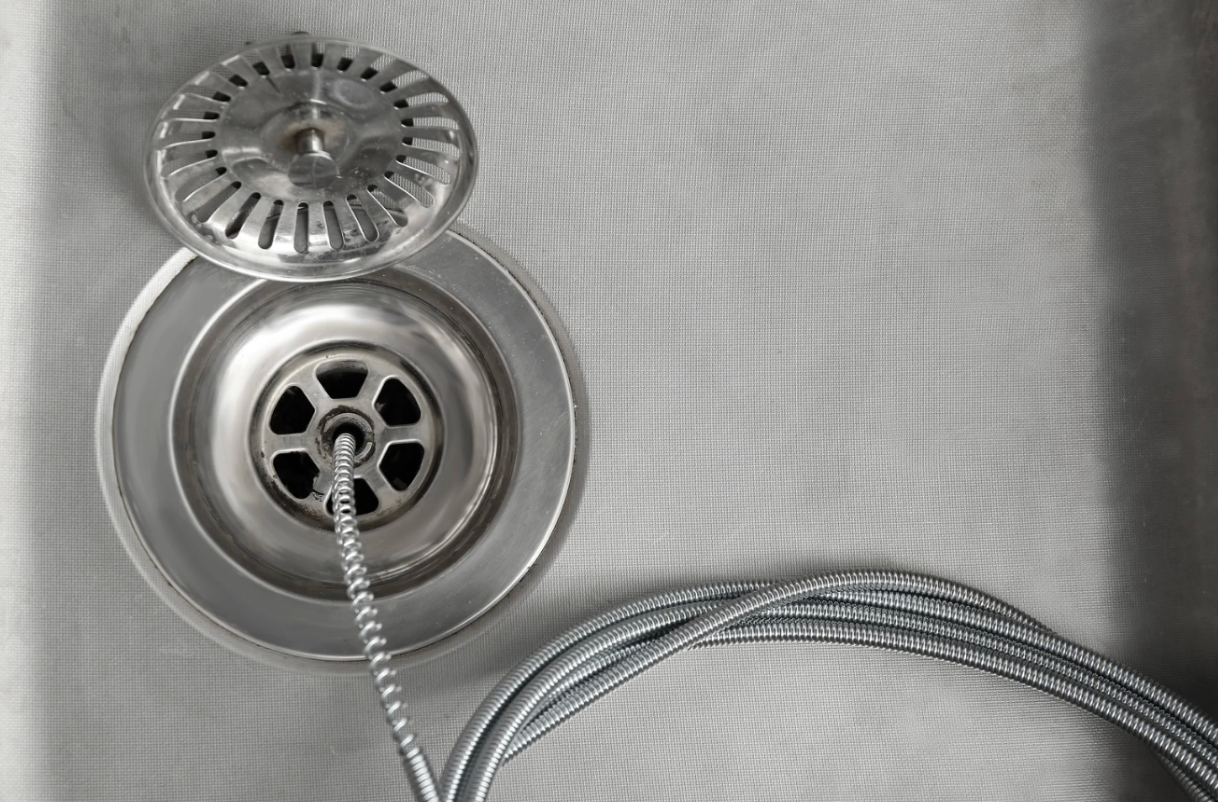
- Drain snaking (cable auger). A rotating steel cable is fed into the drain that breaks up or retrieves the clog. Effective for most hair, soap scum, and soft blockages in fixture drains and moderate sewer line blockages. A motorized snake reaches 25 to 100 feet, depending on the equipment, which covers most residential fixture drains and shorter sewer line runs. Cost typically runs $100 to $275 for standard drain snaking.
- Hydro jetting. High-pressure water, typically 3,500 to 4,500 PSI, is fed through the drain line via a nozzle designed to cut through buildup and flush the pipe walls clean. Hydro jetting removes grease, scale, and minor root intrusion that snaking can push through but not eliminate. It leaves the pipe interior significantly cleaner than snaking alone. Cost runs $300 to $600 for residential sewer lines, more for longer runs.
- Camera inspection. A flexible camera is fed into the drain line to identify exactly where and what the blockage is, or to check the pipe condition before or after cleaning. Camera inspection is particularly useful for diagnosing recurring clogs, identifying root intrusion, and assessing older pipe condition before deciding between continued cleaning and pipe replacement. Cost typically runs $100 to $300 as a standalone service or included with hydro jetting.
- Root cutting. Specialty chain cutter attachments on a power snake cut through root intrusion in sewer lines. Roots that enter through cracks in the pipe will regrow within one to three years. Root cutting is a maintenance solution, not a permanent fix. Permanent solutions require pipe repair or replacement.
DIY vs. Professional Drain Cleaning
Homeowners can handle some drain issues safely and effectively. Others require professional equipment and expertise.
DIY is appropriate for:
- Bathroom sink or tub clogs within arm’s reach of the drain. A zip-it tool or hand drain snake pulls out most hair clogs quickly and cheaply
- Kitchen sink clogs caused by food debris are addressed before the grease has fully congealed
- Running a garbage disposal correctly. ice cubes, cold water, and citrus rinds help maintain the disposal, not grease, pasta, or fibrous vegetables
Professional service is the right call when:
- Plunging or a hand snake does not clear the clog after a reasonable attempt
- Multiple fixtures are draining slowly simultaneously. This points to a main line issue that requires professional-grade equipment
- A drain backs up when another fixture is used. Water from the dishwasher appearing in the kitchen sink or water in the tub when you flush the toilet signals a main line connection issue
- The clog recurs within weeks of clearing. A clog that keeps coming back at the same location needs inspection, not repeated snaking
What to Ask When Scheduling Drain Cleaning
Before booking, a few specific questions can get you better information:
- Is there a diagnostic fee? Most plumbing companies charge a service call fee. Ask whether that fee is applied toward the repair cost if work is done.
- Do you capture the line before quoting the job? A company that quotes a flat price before knowing what is in the pipe is either pricing high to cover unknowns or has not thought through the job carefully.
- What method do you use for mainline clogs? Snaking clears the path; hydro jetting cleans the pipe. If the clog is recurring, you want to understand which approach is being recommended and why.
- What happens if the issue is more than a clog? Collapsed pipe, significant root intrusion, or pipe scale that requires replacement is a different conversation than drain cleaning. Ask how they would communicate that finding and what the process looks like.
According to HomeAdvisor, the average cost of professional drain cleaning in the United States is $225, with most homeowners paying between $150 and $500 depending on the method, the number of drains, and the complexity of the problem. Main sewer line issues fall toward the high end of that range.