
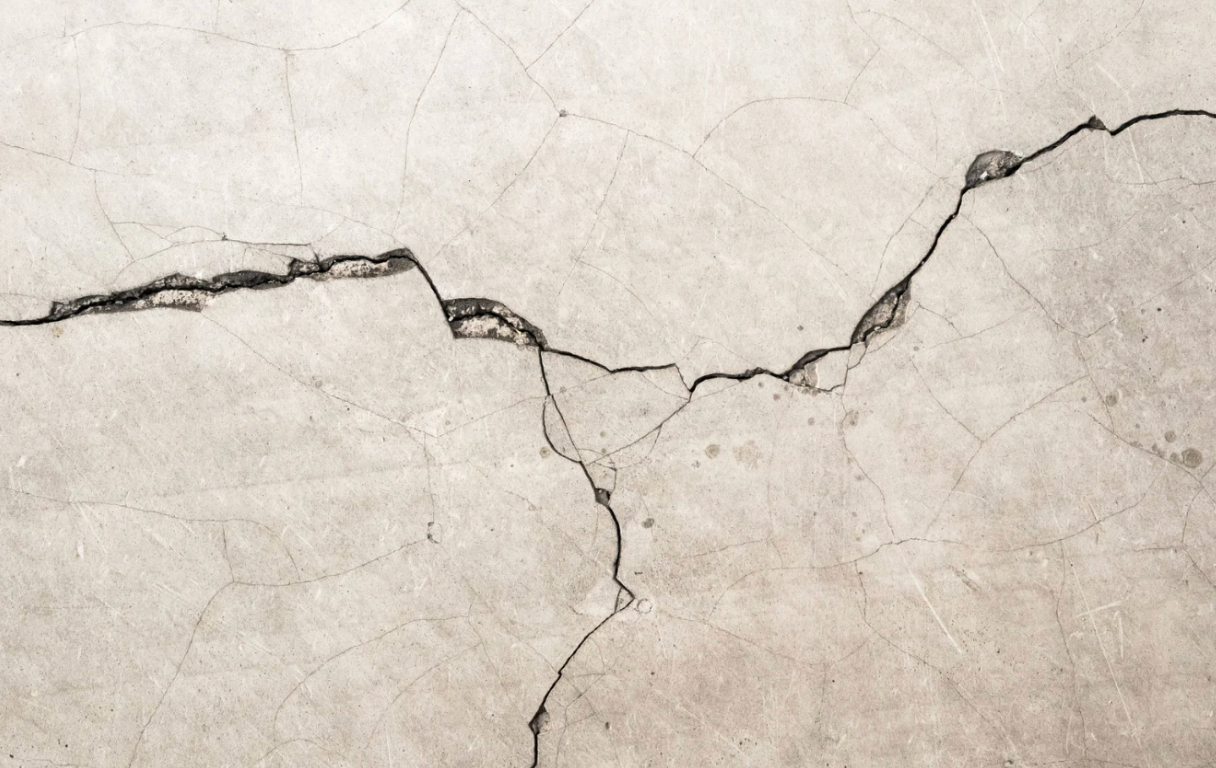
Homes settle over time, but structural movement is different from normal aging. Cracks that widen, floors that slope, windows that stop closing, or walls that begin to bow can point to movement in the foundation or framing. These signs often start small.
Left alone, they can lead to larger repairs, water intrusion, and higher costs over time. According to the American Society of Civil Engineers, early evaluation of structural issues helps prevent progressive damage and reduces the scope of repair work in many homes.
Not every crack means serious damage, but patterns matter. The size, direction, and location of movement tell a larger story about what is happening beneath or within the structure.
A Residential Structural Repair Denver CO project often starts with understanding whether the issue is cosmetic, settlement-related, moisture-driven, or tied to load-bearing components that need engineering review.
DL Engineer provides structural engineering services for residential repair projects in Denver. Here are some warning signs. Also, we’ll talk about which structural problems are common in Denver-area homes. Finally, how to tell if an engineer should be involved before repair work begins.
Warning Signs That Warrant a Structural Assessment
Not every crack means structural failure. But some patterns are more serious than others. Here is how to read them.
Cracks in walls and ceilings
Hairline cracks at corners of windows and doors are common and usually related to normal settlement. They are rarely urgent.
Cracks that are wider than 1/4 inch, horizontal cracks in basement or retaining walls, stair-step cracks in brick or block, or cracks that have grown noticeably wider over a season are all worth evaluating professionally.
A diagonal crack running from the corner of a window or door down toward the floor at a 45-degree angle is a classic indicator of differential foundation settlement, meaning one part of the structure is sinking more than another.
Sticking doors and windows
Doors and windows that suddenly stick or won’t close squarely have often shifted because the frame around them has moved. If weatherstripping has not changed and humidity is not unusually high, frame movement caused by structural shifting is the most likely explanation.
Bouncy or sloping floors
A floor that bounces noticeably when you walk on it has undersized or failing structural members below it. A floor that slopes visibly has shifted support or differential settlement. Both need investigation.
Bowing basement walls
Basement walls that bow inward are experiencing soil pressure from outside. This is a progressive problem. A wall that has bowed 1 inch will eventually bow 2 inches if the pressure source is not addressed. Horizontal cracks or stair-step cracks on bowing walls indicate the wall is under active stress.
Sagging ridgeline or roof
A roofline that sags in the middle, or a ceiling that shows a gradual dip along its center, indicates rafters or structural roof members that are failing, undersized, or damaged by moisture.
Gaps between walls and ceilings or floors
Gaps that open between a wall and the ceiling, or between a floor and the baseboard, suggest movement in the structure. Small, stable gaps may be cosmetic. Gaps that are growing are structural.
Common Structural Problems in Denver-Area Homes
Foundation settlement
Denver’s expansive clay soils shrink in dry conditions and swell when wet, putting constant movement pressure on foundations.
According to the U.S. Geological Survey, expansive clay soils are one of the most significant geological hazards in Colorado and are responsible for more property damage annually than any other geologic hazard in the state. Homes built on clay soil without adequate drainage or foundation design experience more settlement activity than those on stable soils.
Failed or undersized beams
Older Denver homes built before current structural codes sometimes have beams that were undersized by today’s standards, or beams that have suffered moisture damage, rot, or insect damage over decades. A beam that worked fine with original loads may struggle after a kitchen remodel added weight above it, or after a basement was finished and additional load was added.
Cracked or deteriorating concrete
Concrete foundations and retaining walls crack over time due to thermal cycling, settlement, and chemical deterioration. Surface cracks are often cosmetic. Cracks with displacement (one side higher than the other), horizontal cracks, or cracks with water intrusion are structural concerns.
Failing crawlspace and pier-and-beam structures
Older Denver homes with crawlspace foundations sometimes have wood piers that have rotted, shifted, or lost contact with the beam above. Replacing wood piers with concrete or steel piers is a common repair. Left unaddressed, failed crawlspace supports allow floors to sag and doors to shift.
Retaining wall failure
Properties with grade changes and retaining walls face the same clay soil pressures affecting foundations. Retaining walls that lean, crack along horizontal lines, or show gaps at the base are failing and can create safety hazards if they collapse suddenly.
When You Need a Structural Engineer Before Repairs Begin
A structural engineer’s role is different from a contractor’s. An engineer assesses the cause of a problem, determines what needs to be done, and produces a documented analysis and repair specification. A contractor executes the repair.
For any significant structural issue, having an engineer’s assessment before work begins serves two purposes: it identifies the actual cause of the problem rather than treating symptoms, and it produces documentation that protects you if the work is ever questioned by insurers, future buyers, or building officials.
Always get engineering involvement for:
- Foundation repairs involving piering, underpinning, or wall reinforcement
- Removal or modification of any load-bearing wall
- Beam replacement or addition in load-bearing positions
- Retaining wall repair or replacement
- Structural modifications related to additions, ADUs, or major renovations
- Any repair required by a lender or insurer as a condition of coverage or financing
A residential structural engineer report costs $300 to $1,000, depending on the scope and complexity. A foundation inspection and report costs $400 to $750 in most Denver-area markets.
Types of Structural Repair Methods
Foundation crack repair: Epoxy injection fills dormant cracks with a structural adhesive that restores tensile strength. Carbon fiber staples bridge active cracks and prevent further widening. These methods cost $300 to $2,500, depending on crack severity and length.
Piering and underpinning: Steel push piers are hydraulically driven to bedrock or stable deep soil beneath a settling foundation. They cost $1,000 to $3,000 per pier, and most residential projects require 6 to 12 piers, putting the total cost at $8,000 to $25,000 for significant settlement repair.
Wall reinforcement: Bowing basement walls are stabilized with carbon fiber strips bonded to the wall face, wall anchors connected to stable soil beyond the affected zone, or steel I-beam braces. Costs range from $4,000 to $12,000, still dependent on wall length and severity.
Beam replacement: Replacing a failed floor beam or girder requires temporary support of the structure above before the beam can be removed and replaced. Labor and materials for a residential beam replacement typically run $1,500 to $5,000, depending on beam size, material, and access.
Mudjacking and foam lifting: Settled concrete slabs and stoops can sometimes be lifted by injecting material beneath them. Traditional mudjacking costs $3 to $7 per square foot. Polyurethane foam injection is faster and less invasive, at $5 to $25 per square foot.
What Foundation Problems Do to Home Value
Unrepaired foundation problems reduce a home’s market value by 10 to 15% according to most real estate appraisers, and the discount applied by informed buyers often exceeds the actual cost of repair because buyers factor in uncertainty and the possibility that the problem is worse than disclosed. A $5,000 structural issue on a $400,000 home can suppress the sale price by $40,000 to $60,000.
Structural repairs that include an engineer’s documentation and a transferable warranty from a reputable contractor actually protect and restore value more effectively than the same dollar amount spent on cosmetic improvements.
How to Evaluate a Structural Repair Contractor
Work only with contractors who:
- Pull permits for structural repair work (all significant structural work requires permits in Denver)
- Provide a written scope of work that specifies the repair method, materials, and depth of engagement
- Have specific experience with the type of problem you have
- Carry general liability insurance at minimum $1 million per occurrence
- Can provide references from similar structural repair projects
A contractor who recommends a repair method without having an engineer review the problem first is guessing at the cause. That guess has consequences. Treating symptoms without addressing the underlying cause results in repair failure and repeated expense.