
The Role of Audio in Modern Gaming
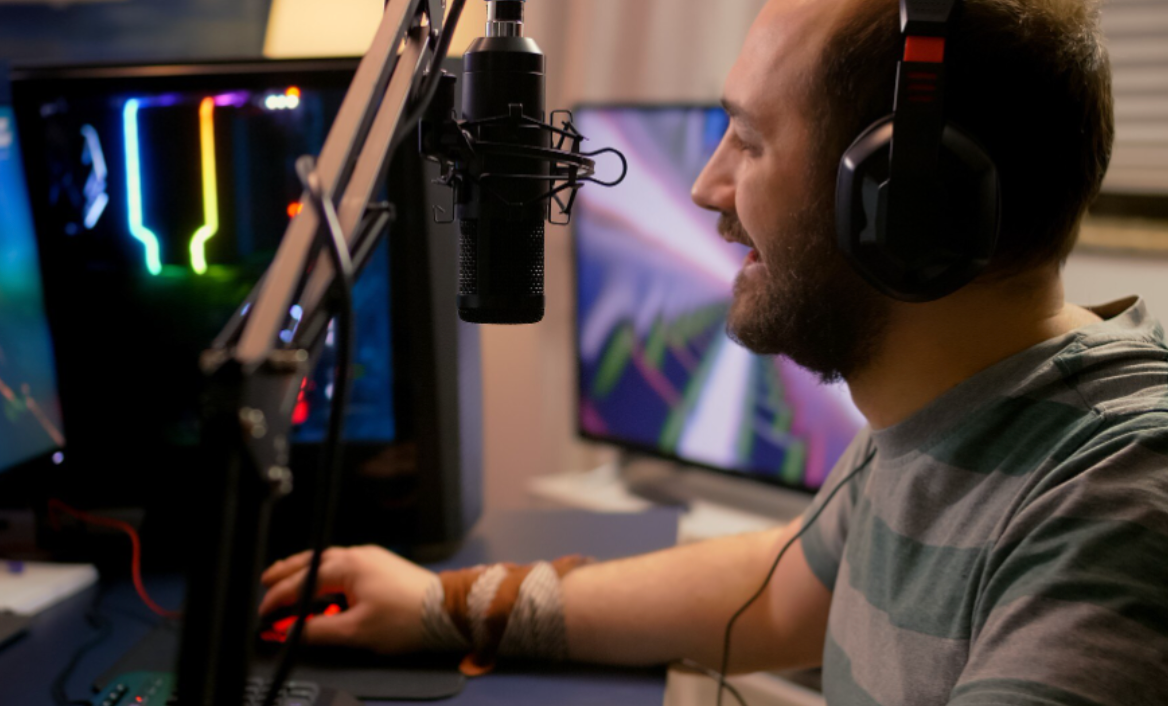
In the world of online gaming, communication can often mean the difference between victory and defeat. A Razer gaming microphone exemplifies how a high-quality audio device can transform gameplay, enhancing collaboration and providing an immersive experience. Whether coordinating strategies in competitive matches or streaming content for an audience, clear audio ensures that interactions are precise and engaging. For serious gamers, investing in a superior microphone is as crucial as having a high-performance PC or console.
Evolution of Gaming Microphones
Gaming has evolved dramatically over the past few decades, transforming from simple 8-bit adventures into highly sophisticated, interactive worlds. Alongside this growth, gaming peripherals have advanced significantly to enhance the overall experience. Early gaming setups relied on basic headsets with rudimentary microphones, which often suffered from poor sound clarity, background noise, and distortion.
As multiplayer games became more complex, the demand for microphones capable of delivering crystal-clear voice transmission increased. The transition from analogue to digital technology brought major improvements in audio quality. Today’s gaming microphones feature noise cancellation, adjustable sensitivity, and even aesthetic elements like RGB lighting. These advancements not only support effective communication but also add style and personality to a gaming setup.
Noise Cancellation
Noise cancellation is a critical feature in gaming microphones, reducing ambient sounds to ensure clear transmission of the user’s voice. This technology is particularly beneficial in shared spaces, busy households, or gaming tournaments where background noise can be distracting. A noise-cancelling microphone allows teammates to focus on strategic planning without interruptions.
Omnidirectional and Unidirectional Patterns
Microphones use different pickup patterns, which determine how sound is captured. Omnidirectional microphones pick up sound equally from all directions, making them useful in group discussions or collaborative gaming sessions. Most gamers, however, prefer unidirectional (cardioid) microphones, which focus on sound from the front while minimising noise from the sides and rear. This ensures clearer communication and reduces unwanted distractions.
Frequency Response
Frequency response defines the range of sound a microphone can capture effectively. A broader frequency response allows the microphone to pick up high and low tones accurately. For gaming, a wide frequency response ensures that voice commands sound natural, enhancing clarity and immersion in multiplayer interactions.
Connectivity Options
Gaming microphones offer several connectivity options, including USB, XLR, and 3.5mm jacks. USB microphones are popular for their plug-and-play simplicity, requiring no additional equipment. XLR connections provide professional-grade audio quality and are often used with audio interfaces or mixers. Gamers can choose the option that best matches their setup and performance requirements.
Blue Yeti
The Blue Yeti is widely praised for versatility and ease of use, making it popular among both gamers and content creators. It offers multiple pickup patterns, including cardioid, omnidirectional, and bidirectional, catering to various recording needs. Its simple USB connection allows for quick and hassle-free setup.
HyperX QuadCast
The HyperX QuadCast combines excellent sound quality with striking RGB lighting. It includes a built-in pop filter to reduce plosive sounds and adjustable sensitivity for different gaming environments. Its durable design and vibrant aesthetics appeal to gamers seeking both functionality and style.
Audio-Technica AT2020
The Audio-Technica AT2020 delivers studio-grade audio at an accessible price. While originally designed for musicians, its clear sound capture and sturdy build make it ideal for serious gamers. Although it uses an XLR connection, pairing it with an audio interface ensures maximum performance and professional-grade audio quality.
How to Set Up Your Gaming Microphone
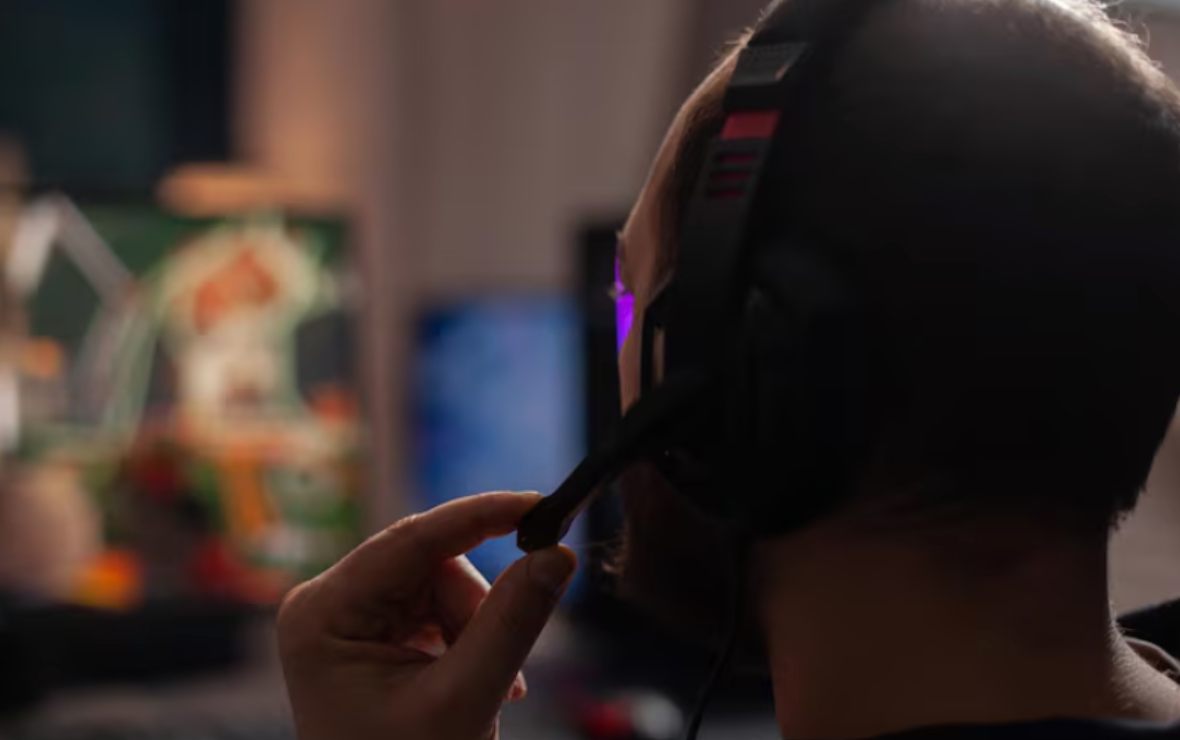
Proper setup is essential for maximising the performance of a gaming microphone. Incorrect placement or settings can compromise sound quality and diminish the overall gaming experience.
Positioning
Place the microphone at an angle that captures your voice directly while minimising background noise and keyboard clicks. Standalone microphones benefit from a boom arm to maintain stability and optimise placement.
Pop Filters and Windscreens
Using a pop filter or windscreen prevents plosive sounds, such as ‘p’ and ‘b’, from causing spikes in audio levels. These accessories ensure a smoother and more professional sound.
Software Settings
Adjust gain, sensitivity, and equalisation through companion software, which comes with most professional gaming microphones. Fine-tuning these settings allows the microphone to perform optimally in your specific environment.
Regular Maintenance
Keep your microphone clean and dust-free, and periodically inspect cables and connections. Proper maintenance ensures consistent performance and extends the lifespan of your equipment.
Why Investing in a Quality Microphone Matters
A high-quality microphone enhances not only personal gaming experience but also overall team communication. Clear audio reduces misunderstandings, improves coordination, and fosters teamwork in multiplayer games. For streamers, professional audio quality is essential for audience engagement and retention.
Gaming today emphasises social interaction as much as gameplay itself. A reliable, high-quality microphone enriches communication, making sessions more immersive and enjoyable for all participants. Conversely, poor audio can detract from the gaming experience, highlighting the importance of choosing the right device.
The Future of Gaming Microphones
Technological advances promise further innovation in gaming microphones. Wireless functionality will continue to improve, noise cancellation will become more adaptive, and artificial intelligence may be integrated to optimise sound automatically based on the environment.
As augmented reality (AR) and virtual reality (VR) grow within gaming, microphones will need to handle 360-degree soundscapes and support seamless voice interactions. Future devices will be designed to maintain audio clarity and immersion in increasingly complex digital worlds, ensuring gamers remain fully engaged.
Conclusion
The importance of a high-quality gaming microphone cannot be overstated. It improves communication, enhances immersion, and elevates both individual and collective gaming experiences. By understanding technical features, selecting the right model, and setting it up correctly, gamers can maximise performance and enjoyment. As gaming technology continues to evolve, investing in superior audio equipment will remain a critical step for players who aim to excel and fully immerse themselves in the dynamic, interactive worlds of modern gaming.