
There’s something comforting about falling asleep in a cool room. After a long, hot day, turning the air conditioner on full blast at night can feel like a reward. But for many households, this habit quietly leads to higher electricity bills and unnecessary energy use.
If you’ve ever woken up feeling too cold—or noticed your energy costs creeping up—you’re not alone. Overusing air conditioning at night is a common issue, and it’s driven by more than just temperature.
In this article, we’ll explore why people rely too heavily on air conditioning at night and what you can do instead to stay comfortable without overspending.
Why We Overuse Air Conditioning at Night
Understanding the behavior is the first step toward changing it.
1. Comfort Becomes the Priority
At night, your main goal is simple: get good sleep.
When you’re tired, you’re less likely to experiment with settings or adjust gradually. Instead, you go straight to what feels best:
- Lowering the temperature significantly
- Letting the AC run all night
- Avoiding interruptions once you’re in bed
Comfort wins over efficiency—every time.
2. Fear of Waking Up Hot
Many people overcompensate because they don’t want to wake up sweaty or uncomfortable.
This leads to:
- Setting the temperature colder than necessary
- Keeping the AC running continuously
- Avoiding timers or automatic shut-offs
It’s a “better safe than sorry” mindset.
3. Lack of Awareness About Ideal Sleep Temperatures
Not everyone knows that the body actually sleeps best in a moderately cool—not cold—environment.
Experts generally recommend a bedroom temperature of around:
- 24–26°C (75–78°F) for comfortable sleep
Going colder than this doesn’t improve sleep—it often disrupts it.
4. Habit and Routine
If you’ve always slept with the AC on all night, it becomes automatic.
You don’t question it—you just do it.
Over time, this habit feels necessary, even if it’s not.
5. Convenience and Laziness (Yes, Really)
Once you’re in bed, the last thing you want to do is get up and adjust settings.
So you:
- Leave the AC running
- Ignore the remote
- Delay making changes
This is similar to “comfort procrastination”—choosing ease over action.
The Hidden Costs of Overnight AC Use
Running your air conditioner all night might seem harmless, but it adds up.
⚡ Increased Energy Consumption
Air conditioners are among the highest energy-consuming appliances in most homes. Running them for 6–8 hours straight significantly increases usage.
💸 Higher Electricity Bills
Even small adjustments in temperature or usage time can impact your monthly costs. In regions with varying pricing structures—such as those under reliant energy plans—inefficient nighttime use can make a noticeable difference.
💤 Poor Sleep Quality
Overcooling can:
- Disrupt your sleep cycle
- Cause dryness or discomfort
- Lead to waking up feeling cold
🌍 Environmental Impact
Excessive energy use contributes to higher carbon emissions and resource consumption.
What to Do Instead: Smarter Cooling Habits
The goal isn’t to eliminate air conditioning—it’s to use it more efficiently.
1. Set a Sleep-Friendly Temperature
Avoid extreme cooling.
Aim for:
- A moderate, comfortable temperature
- Slight cooling rather than cold air
This supports better sleep and lower energy use.
2. Use a Timer or Sleep Mode
Most air conditioners have built-in timers or sleep settings.
Benefits:
- Automatically turns off after a few hours
- Adjusts temperature gradually
- Reduces unnecessary runtime
This is one of the easiest ways to cut energy use without sacrificing comfort.
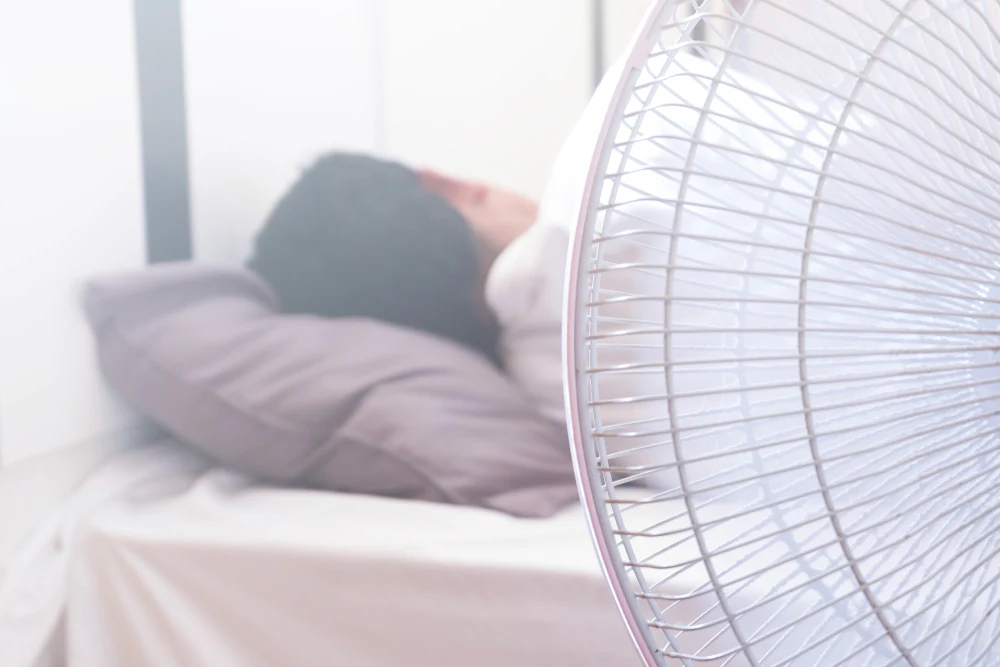
3. Combine AC With a Fan
Fans help circulate cool air, allowing you to:
- Use a higher AC temperature
- Feel just as comfortable
- Reduce energy consumption
This simple combination can make a big difference.
4. Cool the Room Before Bed
Instead of running the AC all night:
- Turn it on 30–60 minutes before sleeping
- Let the room reach a comfortable temperature
- Use a timer to turn it off later
This approach balances comfort and efficiency.
5. Improve Your Sleep Environment
Small changes can reduce your reliance on AC:
- Use breathable bedding
- Wear lightweight sleepwear
- Keep curtains closed during the day
- Improve room ventilation
These adjustments help maintain a cooler environment naturally.
6. Adjust Gradually, Not Suddenly
If you’re used to very cold settings, don’t change everything overnight.
Instead:
- Increase the temperature slightly each night
- Allow your body to adapt
Gradual changes are more sustainable.
7. Make the Remote Accessible
This sounds simple—but it matters.
Keep the AC remote within reach so you can:
- Adjust settings without getting up
- Turn it off if you wake up feeling cold
Removing friction makes better decisions easier.
The Psychology Behind Better Choices
Changing this habit isn’t just about knowledge—it’s about behavior.
At night, your brain wants:
- Comfort
- Simplicity
- Zero effort
So the solution is to:
- Reduce decision-making
- Automate where possible
- Create systems that work while you sleep
Frequently Asked Questions (FAQs)
1. Is it bad to sleep with the AC on all night?
Not necessarily, but it can increase energy costs and may affect sleep quality if the temperature is too low.
2. What is the ideal AC temperature for sleeping?
Around 24–26°C (75–78°F) is generally considered comfortable and energy-efficient.
3. Will using a timer really save electricity?
Yes. Reducing even a few hours of AC usage each night can lead to noticeable savings over time.
4. Can fans replace air conditioning at night?
In some climates, yes. In hotter environments, fans work best when combined with AC.
5. Why do I feel cold in the middle of the night?
Your body temperature drops naturally during sleep. If the AC is too cold, it can make you uncomfortable or wake you up.
6. What’s the easiest change I can make tonight?
Set a timer on your AC. It’s simple, effective, and requires no major adjustment.
Final Thoughts
Overusing air conditioning at night is a common habit—but it’s not a necessary one. It’s driven by comfort, routine, and a desire for uninterrupted sleep.
The good news? Small changes can make a big difference.
By adjusting your settings, using timers, and improving your sleep environment, you can stay comfortable while reducing your energy use and costs.
Because better sleep doesn’t have to come with a higher electricity bill—it just requires smarter choices.