

Key Ingredients and Production
Gin, a spirit with a storied past, has undergone a remarkable transformation from its medicinal origins to a cherished contemporary libation. Celebrated for its versatility and complex flavour profiles, gin has gained global acclaim and holds a unique position in the world of spirits. Today, gin enthusiasts can explore a wide variety of brands and expressions even while travelling, thanks to global retail platforms like iShopChangi, which offer access to an extensive selection of gins from around the world.
Gin’s journey began in the early 11th century, with its origins linked to medicinal practices by Benedictine monks in Italy. Early forms of gin were herbal concoctions distilled from juniper berries, used to treat ailments including the Black Death. By the 17th century, gin had evolved in the Netherlands as ‘genever’, a precursor to modern gin. Malt wine infused with juniper became popular among English soldiers, who referred to it as ‘Dutch courage’ during the Eighty Years’ War.
The 18th century saw gin explode in popularity in England during the infamous “Gin Craze”, driven by lax distillation laws and inexpensive grain. This period highlighted both gin’s widespread appeal and its social challenges. Subsequent licensing laws and taxation helped regulate production, improving the quality and reputation of the spirit. Gin’s rich history has laid the foundation for its continued global popularity today.
The juniper berry is the hallmark of gin, imparting its distinctive pine-like aroma and flavour. Additional botanicals, carefully balanced, give each gin its unique character. Common botanicals include coriander, angelica root, citrus peels, and cardamom, creating profiles that range from citrusy and floral to spicy and herbaceous. A typical gin may include six to twelve botanicals, while some artisanal expressions use many more, offering complex layers of taste.
Gin production involves distilling a neutral spirit with these botanicals, with several methods employed to achieve flavour infusion. Pot still distillation, column still distillation, and vapour infusion each contribute distinct characteristics. This flexibility allows distillers to craft unique expressions that cater to a wide spectrum of palates.
Trends in Gin Consumption
In recent years, gin has experienced a renaissance, with craft distilleries proliferating globally. This resurgence has resulted in a remarkable diversity of gins, appealing to both traditional enthusiasts and adventurous newcomers. Gin-based cocktails, such as the classic gin and tonic or the sophisticated martini, have cemented gin’s place in contemporary mixology.
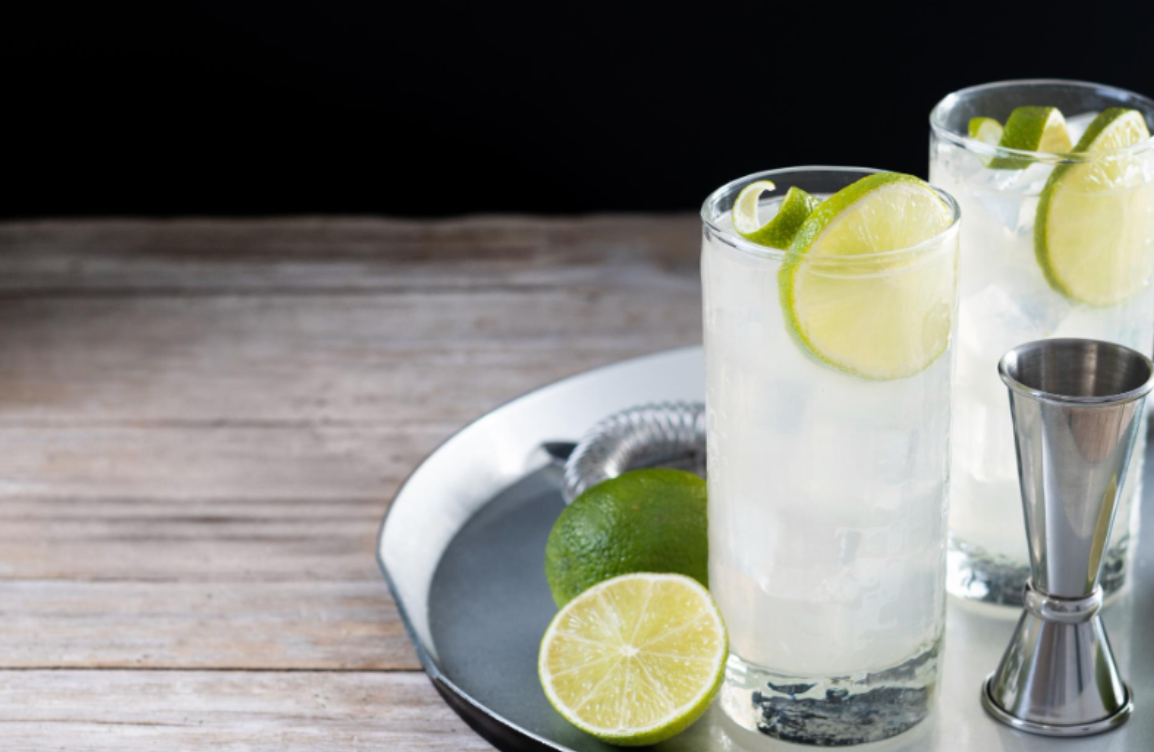
In the UK, the gin and tonic has evolved far beyond a simple highball. Bartenders now experiment with premium tonic waters, creative garnishes, and flavoured gins, adding depth and complexity. Flavoured gins, incorporating ingredients such as raspberry, rhubarb, and elderflower, have also captured the imagination of consumers, offering new ways to enjoy this classic spirit.
The Modern Gin Scene
Today’s gin scene is defined by experimentation and innovation. Craft distillers use unusual botanicals and novel production methods to create distinctive spirits. Many highlight local botanicals, resulting in gins that reflect regional terroirs, much like fine wines. Sustainability has also become a focus, with producers employing organic ingredients and energy-efficient distillation practices.
Navy Strength gins, a historical style with higher proof originally used by the British Royal Navy, are making a comeback. These bold gins are ideal for cocktails, offering robust flavour without being overwhelmed by mixers. Innovation continues to shape the gin landscape, combining tradition with modern taste trends.
Gin Around the World
While gin originated in Europe, it has now established a global presence. In the United States, craft distilleries experiment with local botanicals such as lavender and sassafras. Australia’s gin scene incorporates native ingredients like lemon myrtle and Tasmanian pepperberry, offering unique regional expressions.
Asian countries have also embraced gin, producing spirits that incorporate indigenous spices and herbs. Japanese gins often feature botanicals like yuzu and sakura, while Indian gins may include turmeric and lemongrass. This global expansion highlights gin’s adaptability and the creativity of distillers worldwide.
Gin and Culinary Pairings
Gin’s versatility extends to culinary applications, enhancing a variety of dishes. Herbaceous gins with notes of rosemary and thyme pair beautifully with roasted meats like lamb, while citrus-forward gins complement seafood delicacies. Cheese also pairs remarkably well with gin; a creamy Camembert can balance the spice of a coriander-laden gin, while an English cheddar can enhance the earthy tones of a complex botanical blend. Gin’s diverse flavour profiles make it an ideal companion to a wide range of culinary experiences.
The Future of Gin
The future of gin looks bright, driven by innovation, sustainability, and growing consumer interest. Emerging technologies enable distillers to explore new flavours and eco-friendly production methods. Home cocktail culture continues to flourish, increasing demand for diverse gins suitable for mixology.
Marketing strategies now emphasise storytelling, focusing on unique botanicals, production techniques, and heritage. Distillery tours, tastings, and immersive brand experiences allow enthusiasts to engage deeply with the spirit. By blending tradition with modern innovation, gin remains a dynamic and exciting presence in the world of spirits, offering both aficionados and casual drinkers a wealth of exploration to savour, one sip at a time.