
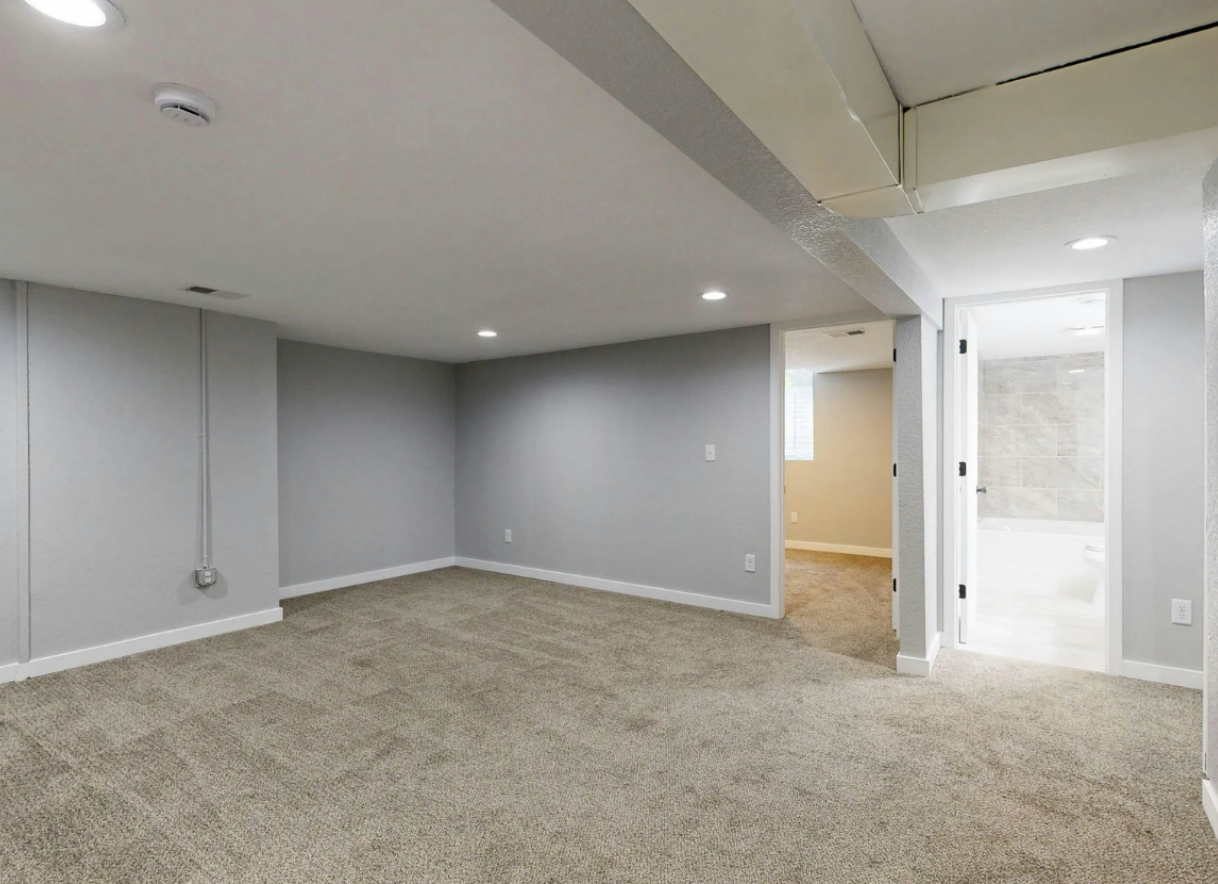
A basement holds more potential than most homeowners realize. The structure is already there, foundation, walls, and floor, which makes it one of the more practical spaces in a home to improve. Turning that unfinished area into usable square footage can create room for a family space, guest suite, home office, gym, or entertainment area without changing the footprint of the house. For many homeowners researching basement finishing Boulder, the goal is simple: make better use of the space they already have.
The value comes from planning the details early. Moisture control, insulation, lighting, ceiling height, layout flow, and code requirements all affect how comfortable and functional the finished basement feels. A well-designed basement should feel connected to the rest of the home, not like a separate lower-level project.
In the Boulder area, GJK Construction handles basement finishing projects as part of the broader discussion around smart home upgrades and livable space design. This guide explains what basement finishing involves, what affects cost, and which decisions matter most before construction begins.
What “Finishing a Basement” Actually Includes
Finishing a basement means bringing an unfinished concrete space up to habitable living standards. That involves more than framing walls and adding drywall. A properly finished basement includes:
- Framing. Interior walls built out from the foundation using wood or steel studs
- Insulation. Thermal and sometimes sound insulation in walls and potentially the ceiling
- Electrical. New circuits, outlets, switches, and lighting throughout the finished space
- HVAC. Extending or adding heating and cooling to the new living area
- Plumbing. Required if you are adding a bathroom, kitchenette, or laundry
- Drywall and finishes. Hanging, taping, painting, flooring, trim, and doors
- Egress windows. Required by code if the basement includes a bedroom
Every one of those systems requires permits and inspections in Boulder County. A contractor who suggests skipping permits is not doing you a favor. Unpermitted basement finishes complicate home sales and create liability if something goes wrong.
The Decisions You Need to Make First
Before a contractor can give you an accurate quote, you need to know what you want the space to do.
Common basement uses:
- Family room or media room
- Guest suite with a bathroom
- Home office
- Exercise room
- Accessory dwelling unit (ADU) for rental income
- Kids’ playroom
Each use has different requirements. A bedroom requires a code-compliant egress window. A bathroom adds significant plumbing cost. An ADU requires its own entrance and may need a separate electrical panel. Knowing the end use drives every decision that follows.
Tip: Sketch a rough floor plan before meeting with any contractor. It does not need to be precise. It just needs to show how you want to use the space, where you want the bathroom (if any), and where major furniture or equipment will live.
What It Costs to Finish a Basement in Colorado
According to Remodeling Magazine’s Cost vs. Value data, basement finishing in the Denver metro area typically costs between $25,000 and $60,000 for a standard project. Larger basements, bathroom additions, and high-end finishes push toward the upper end and beyond.
The biggest cost variables:
- Square footage. More space means more of everything
- Bathroom addition. A basic full bathroom adds $8,000 to $15,000 to the project
- Egress windows. Each window installation runs $2,500 to $5,000, including excavation
- Ceiling height. Low ceilings require more planning and sometimes restrict options for lighting or ductwork routing
- Existing plumbing and electrical rough-ins. If your builder has already stubbed in plumbing, that reduces the cost significantly
- Waterproofing. Boulder-area basements sometimes have moisture issues that need to be resolved before finishing. Addressing moisture after the walls are up costs far more.
Moisture: Solve It Before You Finish
This is the most common mistake in basement finishing projects. Water problems that are ignored during finishing become mold problems after the drywall goes up.
Before framing starts, check for:
- Water stains on the foundation walls or floor
- Efflorescence (white mineral deposits on concrete)
- Any history of water intrusion after rain or snowmelt
- High humidity in the space even in dry conditions
If moisture is present, address it first. Options range from interior drainage systems and sump pumps to exterior waterproofing depending on the source and severity. Your contractor should assess this during the planning phase.
HVAC: How to Heat and Cool the New Space
Most unfinished basements have no ductwork, or minimal ductwork, because the space was not conditioned. Finishing the basement means the HVAC system needs to serve a larger area.
Two approaches:
- Extend the existing system. If your furnace and AC have enough capacity, a contractor can run new duct branches to the basement. This is the most cost-effective option when the existing equipment is sized appropriately.
- Add a supplemental unit. A ductless mini-split system is the most common addition for basements when the existing HVAC is already at capacity. A single-zone mini-split runs $2,000 to $5,000 installed and provides both heating and cooling without requiring new ductwork.
Your HVAC contractor should run a load calculation before recommending an approach. Guessing on capacity wastes money in both directions.
Comfort Problems Start When Airflow Is an Afterthought
Temperature is one of the biggest complaints in newly finished basements. Some feel cold year-round. Others become stuffy in summer because air circulation is poor. Basements also tend to hold more humidity than upper floors, which can create a damp feel, musty odors, and conditions that support mold growth if ventilation is not planned correctly.
That is why heating and cooling decisions should be tied to airflow, humidity control, and room use, not just square footage. A basement used as a bedroom, gym, or media room creates very different heating and cooling demands. Good design includes return air paths, balanced ventilation, and moisture management so the finished space feels comfortable in every season, not just usable.
How to Choose a Basement Finishing Contractor
A general contractor experienced in basement finishing is different from a handyman or a framing-only subcontractor. Look for someone who manages the full scope: permitting, framing, electrical, plumbing, HVAC, drywall, and finishes.
Before signing:
- Verify the contractor’s Colorado general contractor license
- Confirm they carry general liability and workers’ compensation insurance
- Ask for references from completed basement projects in Boulder County
- Get a written scope of work that breaks out each phase and the associated cost
The right contractor walks you through the permit process, pulls all required permits themselves, and schedules each inspection throughout the build. You should not have to manage that paperwork yourself.