
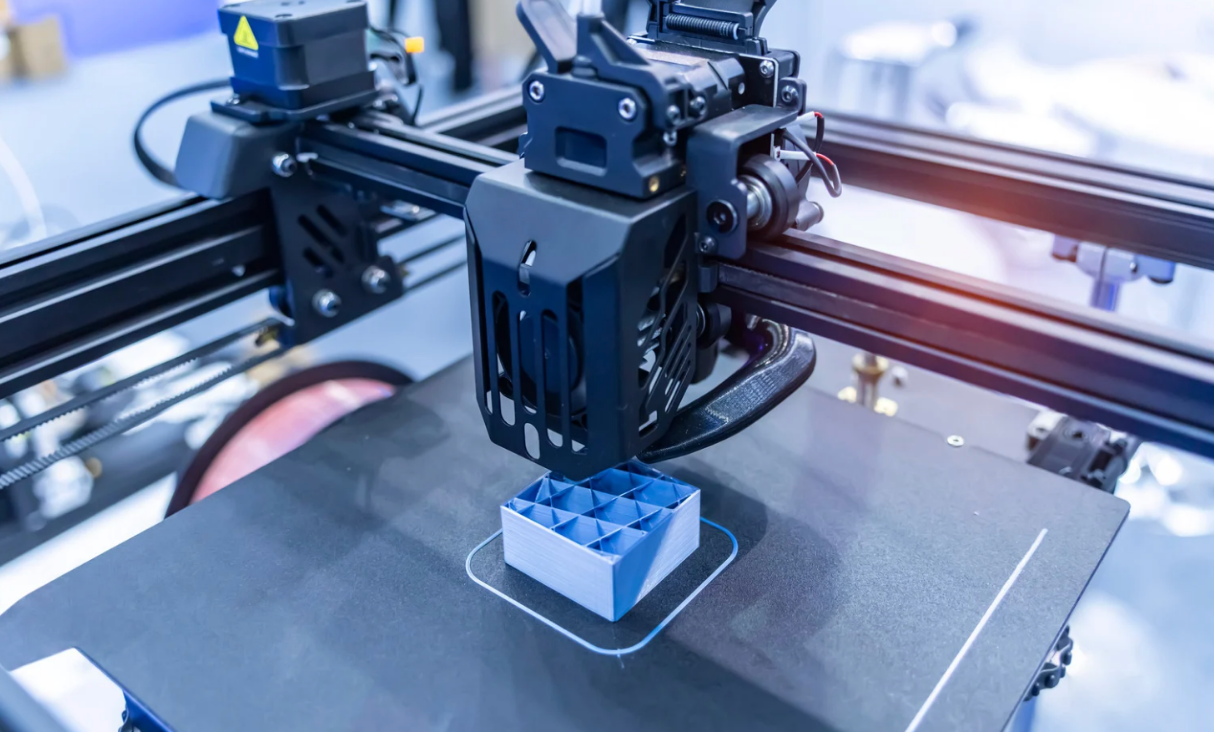
Prototyping used to take weeks and carry a heavy price tag. A design revision meant restarting tooling or waiting on a machine shop.
3D print prototyping changed the economics and the timeline of early-stage product development. This is a part that once took three weeks, but can now come back in three days. RapidPro provides 3d Print Prototyping Denver CO, serving engineers and product developers who need fast, accurate physical parts.
This guide explains the most relevant 3D printing technologies, what they are suited for, and how to evaluate a prototyping partner.
The Main 3D Printing Technologies and What Each Does Well
3D printing is not one technology. It is a category covering several distinct processes, each with different material options, accuracy levels, surface finishes, and cost profiles.
Choosing the right process for your prototype starts with understanding what each is capable of.
- FDM (Fused Deposition Modeling). The most widely available and lowest-cost process. Plastic filament is melted and deposited layer by layer. FDM is well-suited for concept models, fit-check prototypes, and parts where surface finish is not critical. Layer lines are visible, and the surface requires post-processing if appearance matters. Common materials include PLA, ABS, PETG, and nylon.
- SLA (Stereolithography). Uses UV laser to cure liquid resin layer by layer, producing parts with much finer feature resolution and smoother surface finish than FDM. SLA is better for small, detailed parts where surface quality matters. dental components, consumer product housings, and visual prototypes. Resin parts are more brittle than FDM thermoplastics and less suited for functional load-bearing testing.
- SLS (Selective Laser Sintering). Uses a laser to fuse powdered nylon or other materials without support structures. SLS produces durable, functional parts suitable for mechanical testing. The surface is slightly grainy but consistent. SLS is often the right choice when you need a prototype that will be handled, tested under load, or assembled with other components.
- MJF (Multi Jet Fusion). HP’s industrial powder-based process produces parts with mechanical properties similar to SLS but with finer feature detail and more consistent wall thickness. MJF is increasingly common for production-intent prototypes and low-volume production runs.
- Metal printing (DMLS/SLM). Laser-based processes that fuse metal powder to produce fully dense metal parts. Used for aerospace, medical, and tooling applications where a functional metal part is required and machining lead times are prohibitive. Per-part cost is significantly higher than polymer processes.
What Drives 3D Prototyping Cost
3D print pricing is not as simple as cost-per-hour of machine time. Several variables interact to determine the final quote.
- Part volume. Larger parts consume more material and take longer to build. Volume is the primary driver of material cost.
- Build height. Most processes print layer by layer. Taller parts take longer regardless of their volume, because build time scales with the number of layers.
- Support structure requirements. FDM and SLA require support structures for overhanging features. Those supports are later removed, but they add material and post-processing time. Designing parts to minimize supports reduces cost.
- Material selection. Engineering-grade materials like high-temp resins, flexible TPU, or specialty nylons cost more per build than standard PLA or basic SLA resin.
- Post-processing requirements. Sanding, painting, priming, vapor smoothing, or adding threaded inserts all add labor cost beyond the print itself.
- Quantity. Most professional 3D printing services offer unit price reductions for quantities of 5, 10, or 25 parts, particularly for SLS and MJF, where multiple parts can nest efficiently in a single build.
According to the 3D printing industry, the global additive manufacturing market is projected to exceed $44 billion by 2028, reflecting adoption not just in prototyping but in short-run production across medical, aerospace, automotive, and consumer products sectors.
For engineers working at the prototype stage, competitive pricing from service bureaus reflects the industrialization of these processes over the past decade.
When 3D Printing Is the Right Prototyping Choice
3D printing is not always the best answer. The right choice depends on what you need to validate and what comes next in your development process.
3D printing fits well when:
- You need to validate form and fit quickly. Physical parts for design review, client presentations, or fit-check against mating components can be in your hands in one to three business days.
- Your design is still changing. When design revisions are likely, 3D printing lets you iterate without sunk tooling cost. A new iteration is another print, not a new mold.
- You need functional prototypes for testing. SLS and MJF parts can be tested for mechanical performance, assembly fit, and in some cases actual field use before committing to injection molding.
3D printing may not be the right choice when:
- You need production quantities above a few hundred parts
- The final part requires optical clarity without post-processing
- Your design is final and you are ready for injection molding cost and timeline
What to Look for in a 3D Prototyping Service
Professional 3D printing services differ significantly in equipment quality, material availability, turnaround time, and post-processing capability.
When evaluating a service bureau:
- Equipment and process range. A service with multiple processes (FDM, SLA, SLS, metal) can recommend the right process for your specific part rather than fitting every job to the one machine they have.
- Material certifications. Medical or food-contact applications require specific material certifications. Confirm the service can meet those requirements if they apply to your project.
- Tolerance capability. Ask for a tolerance specification sheet. Tight-tolerance mechanical parts require different equipment than visual models.
- Turnaround and capacity. Standard lead times of three to five business days are common. Rush services exist but carry a premium. Ask what the realistic lead time is for your part volume and complexity.
- DFM feedback. A capable service bureau will flag design issues that affect printability or cost before they run the job. That feedback is valuable, particularly early in the design process.