
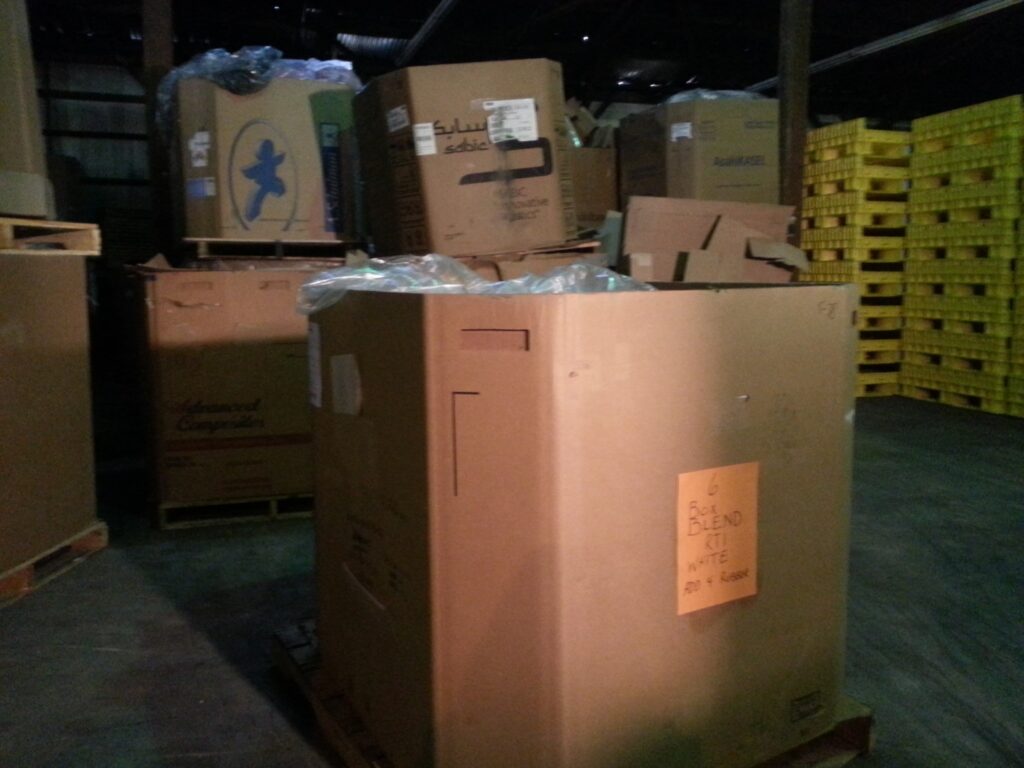
Large cardboard containers—often called gaylord boxes—are everywhere in warehouses, farms, factories, and distribution centers. After years of hauling bulk goods, these oversized boxes can pile up quickly. Many people assume they are useless once they look worn or slightly damaged, but that is far from true. Old gaylord boxes still hold value if you know how to reuse, repurpose, or recycle them properly.
Early on, businesses that handle bulk packaging often work with partners like Verdetrader.com to understand the best ways to manage surplus materials, including oversized cardboard containers. Once you understand your options, old gaylord boxes become an opportunity instead of a problem.
If you’re using large containers like Gaylord boxes during a major relocation or warehouse move, it’s also wise to plan vehicle logistics in advance—comparing Car Shipping Quotes California can help ensure your car is transported safely while the rest of your items are packed and shipped
Below are practical, eco-friendly, and sometimes profitable ways to handle old gaylord boxes the right way.
Reuse Them for Storage and Organization
One of the simplest things to do with old gaylord boxes is reuse them for storage. Even if they are no longer suitable for shipping, they often remain strong enough for internal use.
You can store:
- Seasonal inventory
- Plastic wrap, strapping, or packaging supplies
- Scrap materials waiting for recycling
- Bulk items like bags, foam, or paper products
Label each box clearly and stack them safely to keep your workspace organized and efficient. Reusing boxes extends their lifespan and reduces the need for new containers.
Repurpose for Non-Shipping Uses
Old gaylord boxes can serve many purposes beyond their original role.
Some creative repurposing ideas include:
- Workshop bins for sorting metal, wood, or plastic scraps
- Garden use, such as compost collection or temporary plant protection
- Event storage, holding decorations, props, or equipment
- Moving or clean-out projects where appearance matters less than capacity
Because they are lightweight and collapsible, they are easy to move and store when not in use.
Break Them Down for Recycling
If a gaylord box is torn, water-damaged, or structurally weak, recycling is often the best option. Gaylord boxes are typically made from corrugated cardboard, which is widely accepted by recycling programs.
Before recycling:
- Remove any plastic liners, straps, or tape
- Flatten the box completely
- Keep cardboard dry and free of contaminants
Recycling cardboard helps conserve trees, reduces landfill waste, and lowers carbon emissions. Many recycling facilities welcome large volumes of flattened gaylord boxes.
Sell or Give Them Away
Old does not always mean worthless. Many small businesses, farms, and startups look for used gaylord boxes because they are cheaper than new ones.
You can:
- Sell them locally through online marketplaces
- Offer them to nearby warehouses or agricultural operations
- Donate them to nonprofits, schools, or community projects
As long as the boxes remain clean and structurally sound, there is often demand for them.
Use Them for Waste and Recycling Collection
Gaylord boxes are excellent for collecting recyclable materials or non-hazardous waste on-site.
They work well for:
- Cardboard and paper recycling
- Plastic film or shrink wrap collection
- Scrap packaging materials
- Temporary waste during cleanups or renovations
Their large size reduces the need for frequent emptying, saving time and labor.
Convert Them Into Protective Packaging
Even damaged gaylord boxes can still serve as protective material. Cut the cardboard into flat sheets or panels and use them as padding.
Common uses include:
- Layering between stacked products
- Floor protection during construction or painting
- Wrapping large or awkward items
- Shielding goods during transport
This approach extracts maximum value from boxes that might otherwise be discarded.
Use for Shipping Low-Risk Materials
If a gaylord box has cosmetic wear but is still sturdy, it may still be suitable for shipping low-risk or non-fragile items.
Examples include:
- Agricultural products
- Plastic parts
- Textile goods
- Recyclable materials
Always inspect the box carefully and reinforce weak areas if necessary.
Turn Them Into DIY Projects
For creative teams or personal use, gaylord boxes can become raw material for DIY projects.
Ideas include:
- Temporary walls or partitions
- Large storage chests
- Craft projects or school activities
- Pet shelters or play structures
Their size makes them especially useful for projects that need wide panels of cardboard.
Reduce Future Waste With Better Planning
Finally, dealing with old gaylord boxes is easier when you plan ahead. Track how many containers you actually need, rotate older boxes into lower-stress uses, and store them properly to avoid moisture damage.
Good practices include:
- Keeping boxes indoors and off the floor
- Avoiding overloading beyond weight limits
- Collapsing unused boxes to save space
These steps extend usability and reduce waste over time.
Conclusion
Old gaylord boxes do not need to become clutter or landfill waste. With smart reuse, repurposing, recycling, or redistribution, they can continue providing value long after their original job is done. Whether you store materials, protect goods, or recycle responsibly, taking the time to manage these boxes properly supports efficiency, sustainability, and cost savings.