
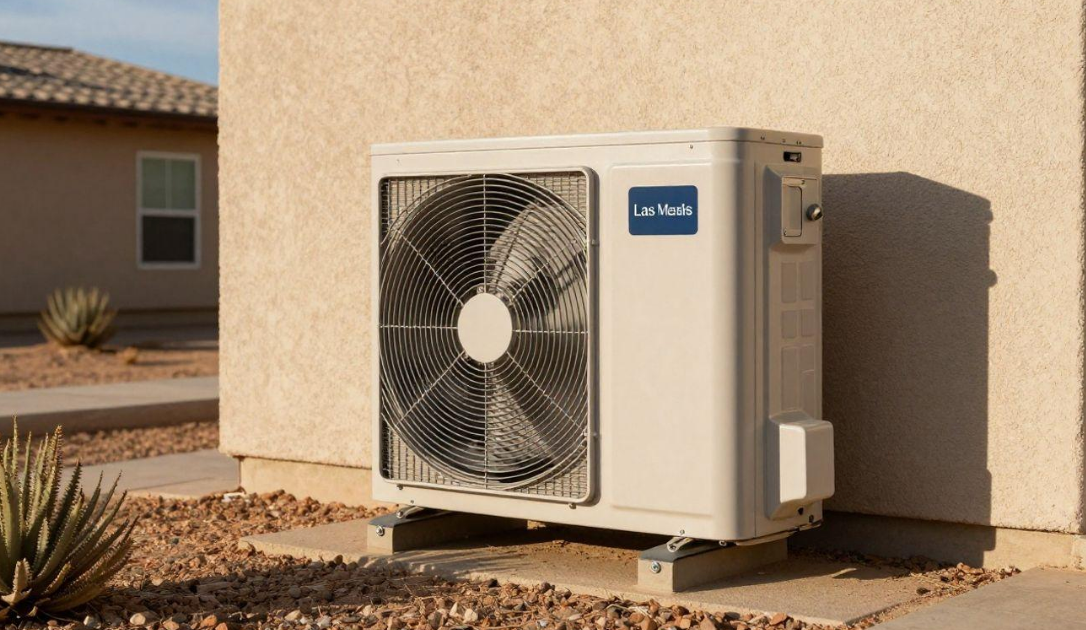
How Heat Pumps Operate in Desert Climates
A heat pump doesn’t create heat; it moves it. In the summer, it pulls heat from inside your house and dumps it outside. Come winter, it does the opposite, grabbing warmth from the outside air and bringing it inside. This process is pretty efficient, especially when temperatures are mild, like they often are in Las Vegas. Modern heat pumps can work well even when it’s cool outside, usually down to about 30 degrees Fahrenheit. They might need a little help from backup heat strips when it gets really cold, but that’s not too often here.
People sometimes think a heat pump isn’t working because the air it blows out isn’t as hot as what comes from a furnace. Instead of a blast of very hot air, you get a steady, gentler warmth. This steady heat keeps your home comfortable without those big temperature swings. It’s just a different way of heating, and it can be much more energy-friendly.
Las Vegas spends more time cooling than heating each year. This means your cooling system works hard for months, while heating is needed for a shorter period. This climate makes a heat pump a smart choice for many homes. The heat pump system is designed to handle these conditions efficiently.
Types of Heat Pumps Suitable for Las Vegas
When looking at heat pumps for your Las Vegas home, you’ll find a few main types. Air-source heat pumps are the most common. They transfer heat between the indoor and outdoor air. While they work well in mild weather, their efficiency can dip a bit when temperatures get extremely hot or cold. Still, for most of the year in Las Vegas, they do a solid job.
Ground-source, or geothermal, heat pumps are another option. These use the stable temperature of the earth to heat and cool. They are very efficient but come with a higher upfront installation cost because of the digging involved. Mini-split heat pumps are great for specific areas or additions to your home. They offer zoned heating and cooling, meaning you can control the temperature in individual rooms.
For Las Vegas, air-source heat pumps are generally a good fit due to the climate. Geothermal is a top performer but pricier. Mini-splits are useful for targeted comfort. Choosing the right type depends on your home’s layout and your budget.
Efficiency Compared to Traditional Systems
Heat pumps are often more efficient than older heating systems, especially electric resistance heaters. They can deliver two to three times more heat energy than the electrical energy they consume. This means lower energy bills compared to systems that just generate heat from scratch.
Traditional furnaces, particularly older gas models, can be less efficient. They burn fuel to create heat, and some of that heat can be lost. While a furnace might blow hotter air, a heat pump can maintain a consistent temperature more economically over time. The heat pump technology is designed for this kind of efficiency.
In Las Vegas, where cooling is needed for a larger part of the year, a heat pump’s ability to both heat and cool efficiently makes it a strong contender against separate heating and cooling units.
Here’s a quick look at how they stack up:
| System Type | Typical Efficiency (Heating) | Notes for Las Vegas |
| Air-Source Heat Pump | 200-300% | Good for mild winters; may need backup in cold snaps |
| Electric Resistance | 100% | Least efficient; high operating costs |
| Gas Furnace | 80-97% | Reliable but less efficient than heat pumps |
Optimal Placement for Heat Pump Installation Las Vegas
Ideal Locations to Avoid Overheating
When thinking about where to put your heat pump in Las Vegas, avoiding direct, all-day sun is a big deal. The desert heat here is no joke, and letting your unit bake in the sun makes it work way harder than it needs to. This means less cooling power and higher electricity bills. Look for a spot that gets some shade, especially during the hottest parts of the day. A north or east-facing wall is often a good bet. Some homeowners even use specially designed covers, but make sure these don’t block the airflow. Proper placement helps your heat pump run more smoothly.
Ensuring Adequate Airflow Around the Unit
Heat pumps need room to breathe. If you put the unit too close to a wall, fence, or even dense landscaping, it can’t get the air it needs. This restricted airflow makes the system less efficient and can even cause it to overheat. Think of it like trying to run a marathon with your nose and mouth covered – not going to work well. You want to leave at least two to three feet of clear space all around the unit. This space allows air to move freely, which is key for your heat pump’s performance and longevity. Don’t let plants or structures get too close.
Positioning for Noise Reduction and Stability
While heat pumps are generally quieter than older AC units, they still make some noise. Nobody wants their bedroom or favorite patio spot right next to a humming machine. Try to position the unit away from windows, especially those in bedrooms or quiet living areas. Also, make sure the ground where the heat pump sits is solid and level. An unstable base can lead to vibrations, which means more noise and potential damage over time. A concrete pad or a sturdy, level platform is usually the best way to go. This also helps with drainage, preventing water from pooling around the unit, which is important even in a dry climate like Las Vegas.
Common Heat Pump Installation Mistakes to Avoid
The Pitfalls of Direct Sunlight Exposure
Placing a heat pump unit where it bakes in the relentless Las Vegas sun is a common oversight. This direct sunlight exposure forces the unit to work much harder, especially during the scorching summer months. When a heat pump is constantly battling extreme heat from the sun, its efficiency plummets. This means it uses more energy to cool your home, leading to higher electricity bills. Over time, this constant strain can also shorten the overall lifespan of your heat pump.
Consequences of Restricted Airflow
Heat pumps need space to breathe. Installing a unit too close to walls, fences, or dense landscaping can severely restrict the necessary airflow. This lack of ventilation causes the unit to overheat and struggle to dissipate heat effectively. When airflow is blocked, the heat pump can’t perform at its best. This leads to reduced cooling capacity and increased wear and tear on its components. Proper clearance is not just a suggestion; it’s vital for the heat pump’s health.
Risks of Unstable Ground and Flood-Prone Areas
Setting up a heat pump on uneven or unstable ground is another mistake homeowners should steer clear of. A wobbly unit can lead to excessive vibrations, which can damage internal parts and affect performance. Furthermore, placing the unit in areas prone to flooding or standing water, even in a desert climate during monsoon season, poses a significant risk. Water damage to electrical components can be costly and dangerous. A stable, elevated platform is often the best solution for Las Vegas installations.
Key Considerations for Las Vegas Heat Pump Performance
Impact of Extreme Temperatures on Efficiency
Las Vegas is known for its intense heat, and this really affects how well your heat pump works. When outdoor temperatures soar, the system has to work much harder to move heat out of your home. This extra effort means less efficiency and higher energy bills. It’s like trying to run a marathon on a scorching hot day – tough going.
During the hottest parts of the year, a heat pump’s ability to transfer heat can be limited. This is especially true for air-source models. They might struggle to pull enough heat from the inside air to cool your home effectively when the outside air is already incredibly hot. This is a key factor to consider for heat pump performance in this climate.
To combat this, homeowners can adjust their thermostat settings. Raising the temperature a few degrees during peak heat hours can significantly reduce the strain on the system. Using smart thermostats to schedule cooling for cooler parts of the day also helps. This proactive approach makes a big difference in how your heat pump handles the Las Vegas heat.
Adapting to Dust Storms and Climate Variations
Las Vegas experiences frequent dust storms, and these can really impact your heat pump. Dust and debris can clog the outdoor unit’s coils, blocking airflow and making the system less efficient. This buildup forces the unit to work harder, leading to increased wear and tear and higher energy consumption. Regular cleaning and maintenance are vital to keep your system running smoothly.
Beyond dust, the desert climate brings rapid temperature shifts. While summers are brutally hot, winters can get surprisingly chilly. Your heat pump needs to be able to handle both extremes. A system that’s not properly sized or installed might struggle to keep up during these temperature swings. This adaptability is a core part of heat pump performance.
Consider systems with variable-speed compressors. These can adjust their output based on demand, providing more consistent comfort and efficiency across a wider range of temperatures. They are better equipped to handle the unpredictable nature of Las Vegas weather, from scorching heatwaves to cooler desert nights.
Maximizing Energy Savings with Smart Operation
Operating your heat pump smartly is key to saving money on energy bills. During the summer, avoid setting your thermostat too low. Instead, aim for a slightly higher temperature and use ceiling fans to create a cooling effect. Every degree you raise the thermostat can lead to noticeable savings.
Programmable thermostats are your best friend here. Set them to raise the temperature when you’re away from home or during the cooler evening hours. This reduces the workload on your heat pump when it’s not needed as much. Taking advantage of off-peak electricity rates, if available in your area, can also help lower costs.
Regular maintenance is also a form of smart operation. Simple tasks like changing air filters regularly can improve efficiency. For more complex issues, professional check-ups ensure your system is running at its best. This attention to detail maximizes the energy savings you can achieve with your heat pump.
Professional Heat Pump Installation in Las Vegas
Why Expert Installation is Crucial
Getting a heat pump installed correctly from the start makes a big difference. Las Vegas has tough weather, and a professional installer knows how to set up your system to handle it. Proper installation is key to a heat pump’s efficiency and lifespan. Without it, you might face higher energy bills and more frequent repairs. A good installer makes sure the unit is set up right for our desert climate. Doctor Heat Pump’s local HVAC team can help homeowners approach heat pump installation Las Vegas with proper sizing, placement, and system setup for reliable desert-climate performance.
Ensuring Safety and Code Compliance
Working with electrical systems and heavy equipment requires skill. Professionals follow strict safety rules to protect themselves and your home. They also know all the local building codes. This means your heat pump installation will be safe and legal. It avoids potential problems down the line, like fines or issues when selling your house. Professional heat pump installation means peace of mind.
Benefits of Professional Sizing and Configuration
Choosing the right size for your heat pump is more than just picking a number. An installer will look at your home’s size, insulation, and windows to figure out the best fit. They also configure the system settings for optimal performance in Las Vegas. This careful sizing and configuration means your heat pump will work efficiently, keeping your home comfortable without wasting energy. It’s a smart investment for long-term savings.
Evaluating Heat Pump Costs and Long-Term Value
Initial Installation Expenses vs. Operational Savings
When looking at a new heat pump, the upfront cost is often the first thing homeowners consider. While a heat pump might cost a bit more initially than a standard air conditioner, it’s important to remember it handles both heating and cooling. If you’re replacing an old furnace and AC unit simultaneously, a single heat pump system can actually be more cost-effective than installing two separate new systems. Think of it as a one-time investment for dual functionality.
Understanding Monthly Energy Bill Differences
This is where the long-term value of a heat pump really shines, especially in a climate like Las Vegas. Because heat pumps move heat rather than generating it, they are generally more efficient than electric resistance heaters or older gas furnaces. In our desert environment, where cooling often demands more energy than heating, a high-efficiency heat pump can lead to noticeable savings on your monthly energy bills. The exact amount saved depends on local utility rates, but the trend is clear: lower operating costs.
The Value of Modern Systems for Home Resale
Beyond immediate savings, installing a modern, efficient heat pump can boost your home’s resale value. Today’s buyers are increasingly looking for homes that are energy-efficient and have lower utility bills. A newer HVAC system, particularly one that offers both heating and cooling from a single unit, is a significant selling point. It signals to potential buyers that the home is well-maintained and cost-effective to run, making your property more attractive on the market. This makes the investment in a heat pump a smart move for both your current comfort and future financial returns.
Wrapping Up Your Heat Pump Decision
So, when it comes to putting in a heat pump in Las Vegas, remember that where it goes really matters. You don’t want it baking in the sun, crammed against a wall, or sitting in a spot where water might gather. Picking the right spot helps the system run better, saves you money on energy bills, and means it won’t break down as often. It’s worth taking the time to figure out the best place for your unit, or better yet, get some professional advice. A well-placed heat pump can make a big difference in keeping your home comfy all year round, especially with our desert weather.