
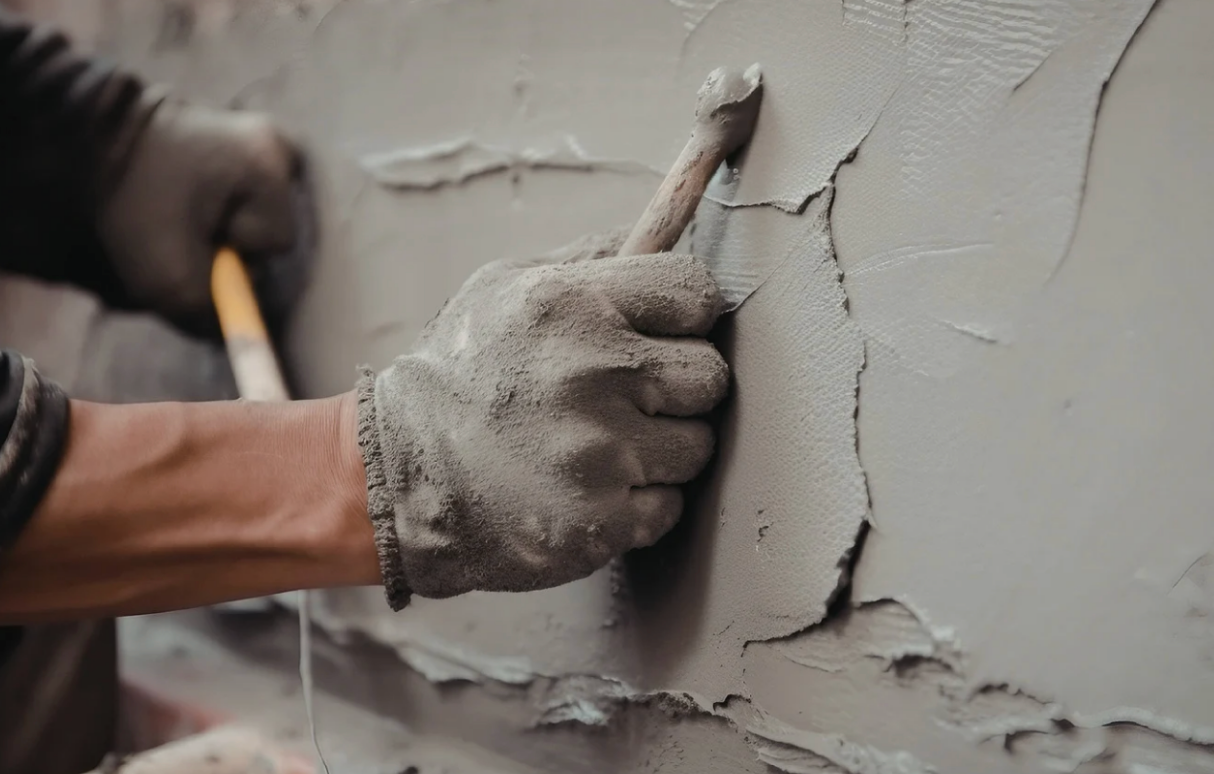
Plaster is one of the oldest building materials still in active use. Builders have applied lime-based and gypsum-based plasters to walls and ceilings for thousands of years, and modern construction still depends on plaster technology in nearly every residential and commercial project built today. Gypsum, the core ingredient of most modern plaster, makes up about 20 percent of its weight in chemically bound water, and that single chemical fact is responsible for plaster’s fire resistance, which remains one of its most valuable properties in contemporary home construction.
Waterproof Plasters do more than cover a surface. It protects structural elements, manages moisture and temperature, controls sound, and creates a finish that outlasts many modern alternatives when applied correctly. Understanding what plaster contributes to a home helps homeowners, builders, and renovators make better decisions about when to use it, what type to choose, and why quality application matters.
How Plaster Protects a Home From Fire
Fire resistance is the performance characteristic that first brought plaster into widespread standardized use in modern building codes. Gypsum plaster will not transmit heat above 212 degrees Fahrenheit until all of the gypsum in the material has been fully calcined, meaning the chemically bound water has been driven out by heat.
According to testing data published by National Gypsum, furnace temperatures in a standard two-hour fire test exceed 1,800 degrees Fahrenheit, yet walls with gypsum plaster hold that thermal barrier for the full test duration. That performance is what earned plaster and gypsum board their one-hour and two-hour fire ratings from Underwriters Laboratories.
Lime plaster performs through a different mechanism. Carbonated lime, meaning lime that has had months to cure fully, builds an inherent fire resistance while also reducing the oxygen supply available inside a wall cavity, which slows the spread of flames. After the Great Fire of London in 1666, lime plaster was applied in thick layers as a specific fire barrier in rebuilt structures, one of the earliest documented uses of plaster as deliberate fire protection.
Fire-resistant plaster must be at least one-half inch thick to meet current building code requirements for minimum protective performance. Adding fiberglass mesh between plaster layers increases impact resistance and structural integrity against the thermal stress of fire exposure.
Plaster’s Role in Moisture and Humidity Management
Lime plaster is breathable. The material absorbs moisture from humid air and releases it as conditions dry, which regulates indoor humidity naturally without relying on mechanical systems. This property made lime plaster the standard interior finish for centuries in climates with high humidity variation between seasons. Structures that move and settle over time benefited from lime plaster’s flexibility, since the material accommodates minor structural movement without cracking the way rigid modern finishes do.
Cement plaster performs differently. Cement-based plasters are applied to masonry interiors and exteriors to create a dense, low-permeability surface that resists water penetration from outside. Cement plaster is appropriate for exterior applications, basement walls, and any surface subject to direct water contact. The choice between lime and cement plaster in a renovation or new construction project depends on whether breathability or water resistance is the primary requirement for that specific surface.
Waterproof plasters like tadelakt take moisture management further. Tadelakt is a traditional Moroccan lime plaster that becomes waterproof through a chemical reaction during application, when olive oil soap is worked into the surface while the lime is still curing. The soap reacts with calcium in the lime to form calcium stearate, a hydrophobic compound that seals the plaster from within. Tadelakt is used in shower enclosures, bathroom walls, and wet room floors as a seamless, grout-free alternative to tile.
Acoustic Performance That Drywall Does Not Match
Plaster walls perform significantly better than standard drywall in sound transmission control. Lath and plaster walls built during the peak construction era from the 1700s through the early 1930s achieve sound transmission coefficients that many modern assemblies require multiple layers of drywall to replicate. The density of a plaster wall, combined with the mass of the lath structure behind it, absorbs and reflects sound waves in ways that lightweight drywall panels cannot match without added mass or acoustic insulation.
Lime plaster specifically reflects both short and long sound waves, which creates the acoustic character that made plaster ceilings standard in concert halls, theaters, and churches before modern acoustic engineering existed. Homeowners in older homes with original plaster walls and ceilings often notice the difference in sound quality between plastered rooms and rooms where plaster was replaced with drywall during renovation.
For modern construction, specifying thicker plaster applications or using multi-coat plaster systems in home theater rooms, music rooms, and shared walls between living spaces provides acoustic control that is difficult to achieve with standard single-layer drywall.
Durability Compared to Modern Alternatives
Properly applied plaster outlasts drywall in most conditions. A plaster wall in a well-maintained home can remain structurally intact and visually sound for 100 years or more. Drywall, by contrast, is vulnerable to impact damage, moisture exposure, and the natural settling of a structure over time.
Drywall replaced plaster in mainstream construction during the post-World War II building boom because it could be installed faster, required less skilled labor, and cost less per square foot of finished wall. The first commercially available gypsum board was sold in 1916, and by the 1940s, builders were using it regularly for those practical economic reasons. The trade-off was durability and acoustic performance.
Plaster’s surface hardness resists dents and impacts that dent drywall. This matters in high-traffic areas like hallways, stairwells, and mudrooms where wall surfaces take regular contact from furniture, luggage, and daily activity.
Thermal Performance and Insulation
Historic lime plaster contributes to a building’s thermal performance by buffering temperature swings between interior and exterior conditions. Lime plaster acts as thermal mass, absorbing heat during the day and releasing it slowly as temperatures drop. This characteristic reduced heating and cooling loads in buildings constructed before mechanical HVAC systems existed.
In modern construction, plaster is often applied over rigid insulation boards as part of an exterior insulation and finish system (EIFS). Cement plaster or stucco applied as the outer shell of an EIFS assembly provides weather resistance and impact protection while the insulation layer beneath handles the thermal control. This combination achieves higher continuous insulation values than cavity insulation alone, since it eliminates thermal bridging at the stud framing locations.
Types of Plaster and Where Each Is Used
- Lime plaster: Interior walls and ceilings in historic renovation, breathable applications, structures with seasonal moisture variation. Applied in multiple coats over lath or masonry.
- Gypsum plaster: Interior walls and ceilings in modern construction. Faster-setting than lime, used in multi-coat systems over metal lath or gypsum board base. Provides fire resistance through its bound water content.
- Cement plaster: Exterior walls, basement walls, and masonry surfaces subject to water contact. Dense, low-permeability, resistant to freeze-thaw cycling.
- Tadelakt: Wet areas, including showers, bathroom walls, and kitchen splashback areas. Waterproof through chemical reaction with olive soap. Requires skilled application.
- Venetian plaster: Decorative interior finish that mimics polished marble. Applied in thin layers and burnished to a high sheen. Aesthetic rather than structural role.
Why Plaster Application Skill Matters
The performance of any plaster system depends on application quality. Lime plaster must cure for months before it achieves full carbonation and maximum fire resistance. Tadelakt’s waterproofing depends entirely on the timing and technique of the soap treatment. Cement plaster applied without proper hydration produces a surface prone to cracking. Gypsum plaster applied too thick takes too long to dry and is vulnerable to sagging before it sets.
These are not problems that can be corrected after the plaster has cured. A waterproof plaster that failed during application will leak. A lime plaster that was not given adequate curing time will remain softer than specified. Selecting a plasterer with documented experience in the specific plaster type being applied, whether it is traditional lime work on a historic restoration or tadelakt in a new bathroom build, is as important as the material specification itself.