
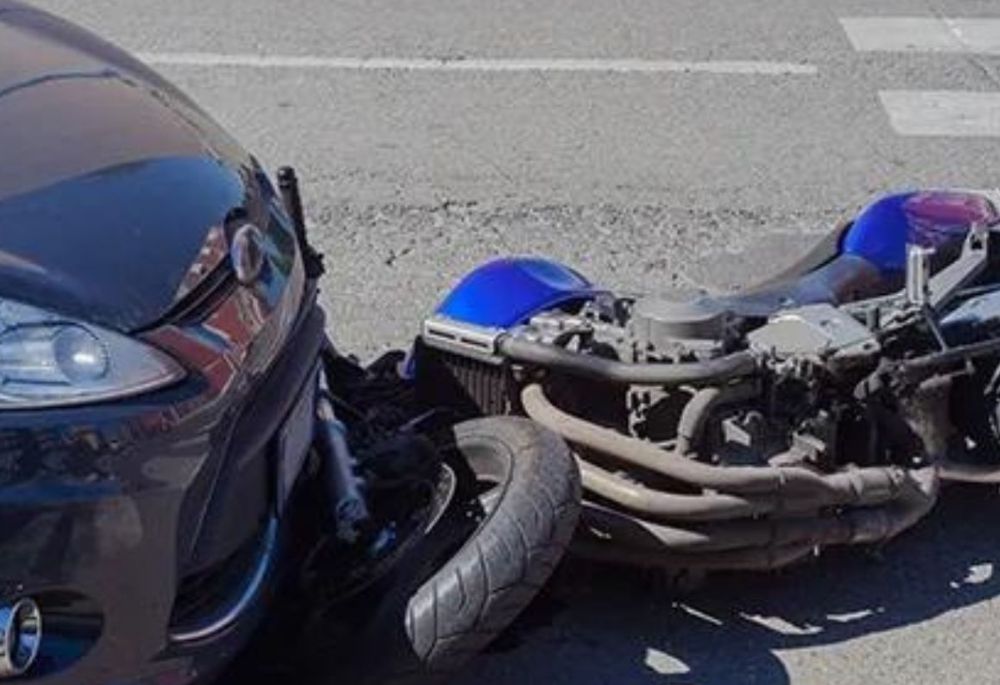
When a motorcycle crash happens – everything changes in seconds.
You may be lying on the pavement. Your bike may be damaged. Traffic is stopped. Police are arriving. And one big question starts to form:
Who is at fault?
In Houston, that question carries significant weight. Texas applies a modified comparative blame rule. If you are determined to be more than 50% at fault – you will be unable to obtain compensation. If you are partially at fault – your compensation may be decreased.
Many motorcyclists are concerned that they will be blamed. Motorcyclists are often stereotyped as irresponsible. That presumption is not the law. Fault is based on facts rather than opinions.
Let us speak about what causes most motorbike accidents in Houston and how blame is determined.
Left-Turn Accidents Are Extremely Common
One of the most frequent motorcycle crashes happens when a car turns left in front of a rider.
You may be traveling straight through an intersection. The driver coming the opposite direction suddenly turns. There is no time to stop. This type of crash often happens at:
- Traffic lights
- Busy intersections
- Shopping center exits
- Residential streets
The driver often says – I did not see the motorcycle.
Motorcycles are smaller. That is true. But drivers still have a legal duty to look carefully before turning.
If you had the right of way and were traveling at a reasonable speed – the turning driver is usually at fault. In serious cases, a motorcycle accident lawyer Houston may review:
- Traffic signal timing
- Skid marks
- Impact points
- Surveillance video
- Witness accounts
Those details tell the real story.
Unsafe Lane Changes on Houston Highways
Houston highways are crowded. Drivers change lanes often and sometimes quickly. Motorcycles can disappear into blind spots. That does not excuse a careless lane change.
Common situations include:
- A car drifting into your lane
- A sudden merge without signaling
- A driver cutting across multiple lanes
If a driver enters your lane without checking mirrors – that driver is usually responsible.
Damage patterns can confirm this. If the side of your bike is struck and the front corner of the car shows impact – that may indicate an unsafe merge.
Lane-change accidents are especially common on roads like:
- I-45
- 610 Loop
- Highway 59
- Beltway 8
Heavy traffic increases the risk.
Distracted Driving Plays a Big Role
Texting and driving is a serious problem. A driver glances down for just a few seconds. This is enough to miss a motorcycle.
Distractions can include:
- Texting
- Checking social media
- Adjusting navigation
- Eating
- Talking to passengers
Motorcycles are less visible than larger vehicles. A distracted driver may not notice you until it is too late. Phone records and witness statements sometimes confirm distraction. If distraction caused the crash, the driver may be clearly at fault.
Rear-End Collisions
Some people believe rear-end collisions only occur between automobiles. That is not true.
If a motorist follows too closely and fails to stop in time – they may hit your motorbike from behind.
This type of crash is dangerous because:
- You may be thrown forward
- Your head may snap back
- Your body absorbs direct impact
In most rear-end cases, the trailing driver is presumed responsible.
Still, insurance companies may argue sudden braking. Evidence such as skid marks and vehicle damage can help clarify what happened.
Speeding or Aggressive Riding
Now let us be honest. Sometimes riders also share responsibility.
If you were:
- Riding well above the speed limit
- Weaving aggressively between lanes
- Ignoring traffic signals
You may be partially at fault. Texas law reduces compensation based on your percentage of fault. For example:
- If you are 20 percent responsible
- Your recovery may be reduced by 20 percent
But assumptions are not enough. Insurance companies can claim speeding without proof. Accident reconstruction experts may examine:
- Skid marks
- Vehicle damage
- Road debris
- Data from vehicle modules
Evidence matters more than guesses.
Road Conditions and Poor Maintenance
Motorcycles are more sensitive to road hazards than cars. A pothole that barely affects a car can cause a rider to lose control.
Hazards may include:
- Deep potholes
- Loose gravel
- Uneven pavement
- Construction debris
- Missing signage
If a government agency knew about a dangerous condition and failed to fix it – that agency may share liability. Claims against public entities often have shorter deadlines. Acting quickly is important in these cases.
Mechanical Defects
Sometimes the issue is not another driver at all. Mechanical failure can also cause a crash.
Examples include:
- Brake failure
- Tire blowouts
- Steering problems
- Defective parts
If a manufacturing defect contributed to the accident – the company that made the part may be responsible. These cases require expert analysis and detailed inspection of the motorcycle.
How Fault Is Determined in Houston
Fault is based on evidence. Not opinions or stereotypes.
Key evidence may include:
- Police reports
- Witness statements
- Photos of the scene
- Traffic camera footage
- Dashcam video
- Vehicle damage analysis
- Medical records
Police reports are helpful but not final. They can contain errors. Insurance companies conduct their own reviews. Their goal is often to limit payouts.
If you want to understand how fault investigations are handled in serious injury cases, reviewing information from a motorcycle accident lawyer Houston can help explain how evidence is evaluated under Texas law.
Bias Against Motorcyclists
Motorcycle riders often face unfair bias. Some people assume:
- The rider was speeding
- The rider took risks
- The rider caused the crash
These assumptions can influence early insurance decisions. Clear documentation helps fight that bias.
For example:
- Helmet condition can show impact force
- Road rash patterns can show direction of movement
- Vehicle damage can show point of contact
Facts overcome assumptions.
What You Should Do After a Crash
If you are involved in a motorcycle accident, protect yourself by:
- Calling 911
- Seeking medical care immediately
- Taking photos of everything
- Collecting witness contact information
- Keeping all medical records
- Avoiding rushed insurance statements
Even small details matter later.
Final Thoughts
In many Houston motorcycle accidents, the other driver is at fault. Common causes include:
- Left turns without yielding
- Unsafe lane changes
- Distracted driving
- Following too closely
Still, every case depends on specific facts.
Texas law looks at percentages of fault. Small details can change those percentages. If you are injured –
- focus on documentation
- focus on medical care
- focus on preserving evidence
Fault is not decided by who speaks louder. It is decided by proof.
And strong proof protects your right to fair compensation.