
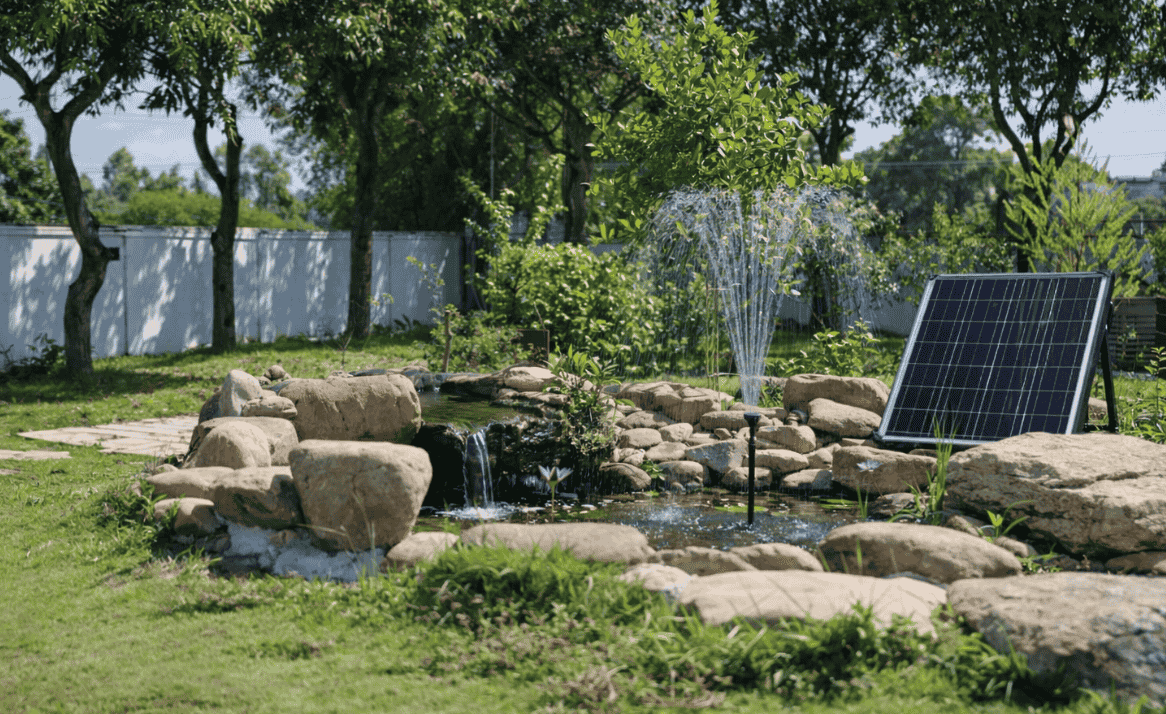
Outdoor spaces are no longer just areas to pass through. For many people, gardens, patios, and small yards have become places to relax, recharge, and reconnect with nature. As interest in sustainable living grows, the way these spaces are designed is also changing. One feature that reflects this shift is the solar powered fountain pump, a simple yet effective tool that brings movement and life to water features without relying on traditional electricity.
Understanding How Solar-Powered Fountain Pumps Work
At its core, a solar powered fountain pump uses sunlight to operate. A small solar panel collects energy from the sun and converts it into electricity, which powers the pump mechanism. This process allows water to circulate, creating a fountain or gentle flow.
Because they do not need to be plugged into an electrical outlet, these pumps can be placed almost anywhere there is sufficient sunlight. This makes them especially useful in gardens or open spaces where running cables would be impractical or visually distracting.
Some designs operate only when the sun is shining, while others store a small amount of energy to keep water moving during brief periods of shade. Regardless of the design, the principle remains the same: clean energy is used to keep water in motion.
Why Water Movement Is Important
Water that sits still for long periods can quickly lose its appeal. Stagnant water often becomes cloudy, attracts insects, and may develop unpleasant smells. Even minimal circulation can prevent many of these issues.
A solar powered fountain pump helps maintain water quality by improving circulation and oxygen levels. This is particularly important in small ponds, birdbaths, or decorative containers where natural movement is limited. Flowing water discourages mosquitoes from breeding and reduces the buildup of algae.
Beyond maintenance, moving water adds a sensory element to outdoor spaces. The sound of gently flowing water can reduce background noise and create a calming atmosphere. For many people, this subtle effect is one of the main reasons water features are added in the first place.
Common Uses in Everyday Outdoor Settings
Solar-powered fountain pumps are used in a wide range of outdoor applications, each serving a slightly different purpose.
Bird-Friendly Areas
Birds are drawn to moving water, which signals freshness and safety. Adding a solar-powered fountain to a birdbath can increase visits from local wildlife, supporting biodiversity while offering an enjoyable viewing experience.
Garden Ponds
In small garden ponds, water circulation is essential for maintaining balance. A solar powered fountain pump can help distribute oxygen evenly, which benefits aquatic plants and any small organisms living in the water.
Decorative Water Features
Many homeowners use bowls, stone basins, or repurposed containers as decorative water elements. Solar pumps allow these features to function without complicated installation, turning simple objects into dynamic focal points.
Courtyards and Patios
In compact outdoor spaces, solar fountains provide visual interest without taking up much room. Because they operate independently of household power, they can be placed wherever sunlight is available.
Environmental Value and Energy Awareness
One of the strongest reasons for using solar-powered technology is its environmental benefit. A solar powered fountain pump runs entirely on renewable energy, producing no emissions during operation. Over time, this reduces overall energy consumption and supports more sustainable outdoor practices.
Using solar energy also encourages awareness of natural resources. When a fountain responds directly to sunlight, it creates a visible connection between energy use and the environment. This subtle reminder can influence broader lifestyle choices related to sustainability.
From a practical standpoint, solar pumps can also help reduce energy costs. While the savings from a single fountain may be small, the long-term benefits add up when combined with other solar-powered features.
Ease of Installation and Maintenance
Another reason solar fountain pumps are widely used is their simplicity. Installation typically involves placing the pump in water and positioning the solar panel where it can receive adequate sunlight. There is no need for professional electrical work or permanent modifications.
Maintenance requirements are generally minimal. Regular cleaning of the pump intake helps prevent blockages from debris, while occasional wiping of the solar panel ensures efficient energy collection. These small tasks can usually be handled without specialized tools or technical knowledge.
Because there are fewer electrical components exposed to water, solar pumps also reduce certain safety concerns associated with traditional powered fountains.
Limitations to Keep in Mind
While solar-powered fountain pumps offer many advantages, they do have limitations. Their performance depends on sunlight, which means water flow may decrease on cloudy days or in shaded areas. This makes placement an important consideration.
They are also best suited for small to medium water features. Larger fountains or deep ponds may require more powerful circulation systems that solar pumps are not designed to handle.
Understanding these limitations helps set realistic expectations and ensures that the pump is used in a setting where it can perform effectively.
A Thoughtful Addition to Sustainable Landscaping
As outdoor design continues to evolve, features that combine function, simplicity, and environmental responsibility are becoming more appealing. The solar powered fountain pump fits well into this mindset. It offers a way to enjoy the benefits of moving water without increasing reliance on non-renewable energy sources.
Whether used to support wildlife, improve water quality, or simply enhance the atmosphere of a space, solar-powered fountains represent a practical balance between nature and technology. They show that even small changes in how outdoor spaces are designed can have meaningful impacts.
In many cases, it’s the quiet details that make a space feel complete. A gently flowing fountain powered by sunlight is one of those details, offering both purpose and peace in a world that increasingly values thoughtful, sustainable choices.