
The internet has revolutionized the way businesses operate. Companies rely on it for all their operations now, like using cloud technology to collaborate or AI to analyze vast amounts of data in real time. It is all connected, which makes scaling and competing easier, but it also makes things more fragile when something goes wrong.
Cyberattacks are not just tech glitches anymore. They hit revenue and reputation hard and even bring in regulatory concerns that linger. In this always-on world, the costs go beyond data theft. It shakes the trust people have in digital systems and their providers.
The Scale of Cybercrime Reflects a Structural Problem
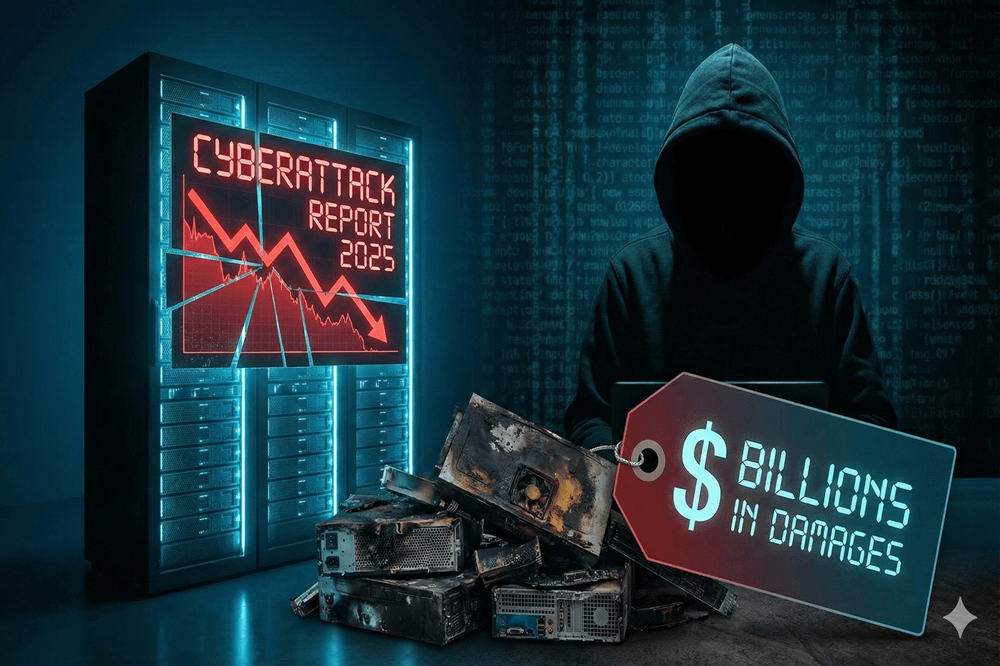
The scale of cybercrime shows there is a structural problem here. Attackers have turned it into an organized thing, with automated scanning for weak spots, big phishing pushes, and ransomware crews acting like businesses themselves, complete with roles and payments. The money lost is huge. The FBI report says billions in the US each year from phishing, email scams, and ransomware. Many cases do not even get reported, so the actual number is unknown. But it is not only about sunk costs, but the operational side suffers as well.
Downtime Is the Most Underestimated Risk
Downtime is a risk everyone overlooks. When an attack hits, data gets compromised, but often the bigger issue is not being able to work. Employees cannot access shared tools, customer orders fail, communications break down, the organization stops, and reports get delayed. Even a short outage spreads chaos across teams. For places running on a digital ecosystem, it is like total paralysis. Cybersecurity is also keeping things running smoothly, not just guarding info.
The Expanding Digital Footprint Creates Invisible Risk
Businesses keep adding fast tech layers, cloud software, SaaS, remote tools, CRMs, and automations. Each one boosts efficiency on its own, but piled up, it creates a complex, frugal structure. Old inactive accounts, access keys, unpatched devices, shadow IT, wrong cloud setups, bad backups, these factors can coalesce and come to a head fast.
They do not cause headaches right away, but attackers sneak in through the smallest vulnerabilities. As digital footprints keep growing, they leave a lot of room for exploitation.
Reputation hits by cyber-attacks linger for a long time on the internet. Big breaches do not stay internal; customers hear about it, the media picks it up, and online chatter makes it worse. Once trust is gone, getting it back is a monumental and consistent undertaking. So, cybersecurity is about protecting your brand, not just passwords.
Why Traditional IT Models Struggle to Keep Pace
A lot of companies still use old reactive IT methods, fixing things only when they break, with spotty checks and basic monitoring. That does not keep up with how fast the internet moves now. What is needed is 24/7 watching, regular fixes for vulnerabilities, managing identities properly, layered recovery plans, and solid response steps. The tried-and-true methods are not up to the task.
Resilience Requires Operational Discipline
Building resilience means having discipline in operations, not quick fixes. IT agents who are constantly checking will spot the red flags quickly, stop threats fast, get back online smoothly, and keep everyone confident. That is why organizations are moving to managed IT services for ongoing monitoring and security across all complexities.
Looking ahead, new tech like AI, automation, IoT, and deeper cloud use, it expands what organizations do digitally. Each layer adds power, but also weak points to breach. The internet is not slowing down, so businesses must toughen up alongside it.
In this connected economy, partnering with a managed services provider is a real edge, not just background noise.
Treating IT as a core part of your defense strategy means less downtime, infrequent difficulties, stronger customer ties, and secure growth. Cyberattacks are here to stay in the internet world. The ones that make it far will have that built-in toughness.