
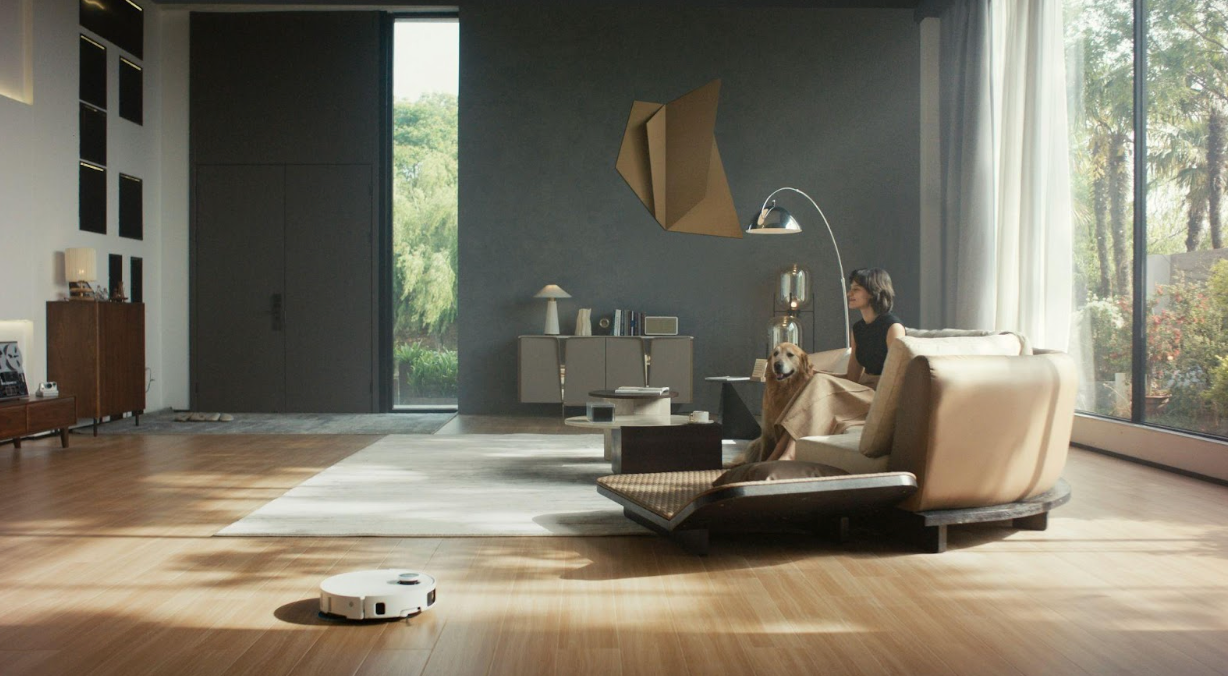
Homes today are no longer designed around static systems that operate in the background. Instead, they are evolving into environments where energy, efficiency, and functionality intersect in more deliberate ways.
As costs fluctuate and expectations around sustainability increase, homeowners are becoming more intentional about how energy is generated, stored, and maintained. This shift is not just about reducing bills, it reflects a broader move toward systems that support reliability, adaptability, and long-term value within everyday living spaces.
Efficiency as the Foundation of Modern Comfort
Every energy improvement begins with efficiency. Before introducing advanced systems, it is essential to ensure that the home itself is optimized to reduce unnecessary energy loss. This includes proper insulation, efficient appliances, and thoughtful use of heating and cooling systems that respond to real usage patterns.
When efficiency is prioritized, every additional upgrade becomes more effective. A home that consumes less energy naturally places less strain on any generation or storage system, allowing it to perform more reliably. This creates a stable baseline where comfort and cost control can coexist without compromise.
Energy Storage Is Changing How Homes Operate
One of the most significant developments in residential energy is the ability to store power for later use. Instead of relying entirely on real-time energy supply, homeowners can now maintain a reserve that supports consistent performance during peak demand or outages.
Solutions like eg4 powerpro reflect this shift, offering high-capacity storage systems designed for long-term residential use. These systems typically use lithium iron phosphate technology, which is valued for safety, durability, and extended lifespan. Many models provide around 14.3 kWh of storage capacity and thousands of charge cycles, making them suitable for both backup and off-grid applications.
Designing Energy Systems for Real-Life Use
Energy systems are most effective when they are designed around how people actually live. This means considering daily routines, peak usage times, and seasonal variations rather than relying on generic configurations. A system that aligns with real-life patterns is easier to manage and more efficient over time.
By integrating energy storage, generation, and consumption into a unified approach, homeowners can create systems that respond naturally to their needs. This reduces inefficiencies and ensures that energy is available when it matters most, without unnecessary waste or complexity.
Maintenance Plays a Critical Role in Performance
Even the most advanced systems require consistent maintenance to function properly. Over time, dust, wear, and environmental factors can reduce efficiency and lead to performance issues. Regular upkeep ensures that systems continue to operate at their intended capacity.
This principle applies across different industries. In commercial and industrial environments, cleaning and office solutions like https://www.selltoner.com/ are associated with maintaining equipment efficiency and extending operational lifespan. The same idea translates into residential energy systems, where consistent care helps preserve performance and prevent avoidable issues.
Smart Technology Enables Better Energy Decisions

Modern homes increasingly rely on smart technologies to monitor and manage energy use. These systems provide real-time insights into consumption patterns, allowing homeowners to make more informed decisions about how energy is used throughout the day.
Automation further enhances this process by adjusting usage based on availability and demand. For example, systems can reduce consumption during low-energy periods or shift usage to times when stored energy is available. This creates a more balanced and efficient energy environment without requiring constant manual input.
Authority Insight: Efficiency Drives Long-Term Results
Energy efficiency remains one of the most important factors in reducing overall consumption. According to the U.S. Department of Energy, improving efficiency in homes can significantly lower energy demand while increasing the effectiveness of renewable systems.
This highlights the importance of combining generation, storage, and consumption strategies into a cohesive system. Without efficiency, even advanced technologies may struggle to deliver meaningful long-term results.
Balancing Technology With Everyday Comfort
While energy systems are becoming more advanced, they must still support the fundamental goal of maintaining a comfortable living environment. Heating, cooling, and everyday convenience remain essential, making it important to balance efficiency with usability.
By integrating smart controls and efficient systems, homeowners can maintain comfort without excessive energy use. This balance ensures that technological improvements enhance the living experience rather than complicate it, making energy management feel natural rather than restrictive.
Long-Term Thinking Defines Energy Investments
Energy upgrades are not short-term decisions, they shape how a home performs over many years. Investing in reliable systems, efficient design, and proper maintenance creates long-term stability and reduces exposure to rising energy costs.
As technology continues to improve, these systems are becoming more accessible and adaptable. This suggests that energy independence and efficiency will increasingly become standard features in modern homes, rather than optional upgrades.
The Evolution of Homes Into Energy Systems
Homes are gradually transforming into active systems that manage their own energy. Instead of relying entirely on external infrastructure, they are capable of generating, storing, and optimizing energy in response to changing conditions.
This evolution represents a shift in how living spaces are understood. Energy is no longer just something consumed, it is something that can be controlled, optimized, and integrated into everyday life. As this approach becomes more common, it will redefine what it means to design and live in a truly modern home.