
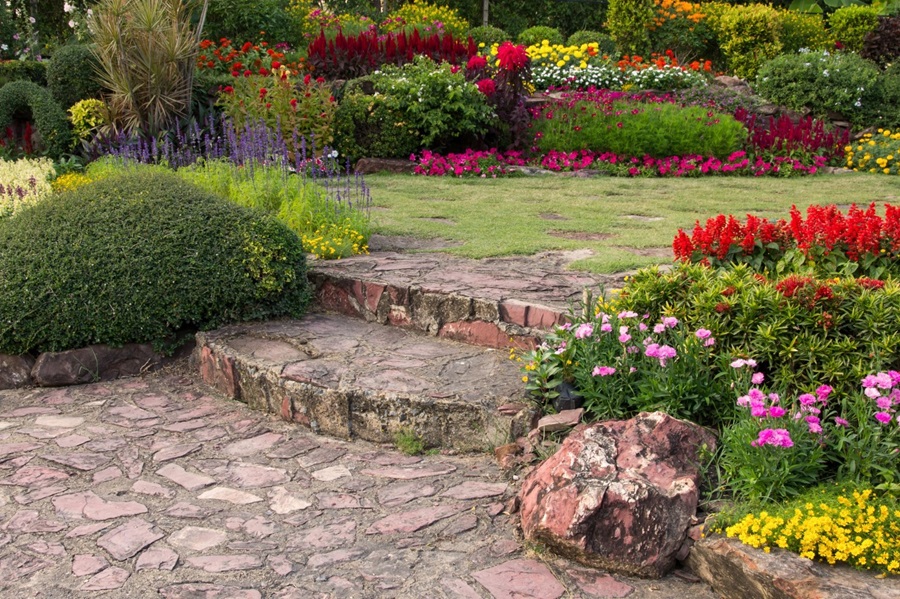
Is your garden looking dull during certain seasons? You’re not alone, as many yards lose their charm without year-round planning. With the right plants and smart design, you can keep your outdoor space vibrant in every season.
Keep reading to learn how!
Plan for Year-Round Blooms
Choose plants that shine in different seasons to keep your yard lively. Mix and match bloom times for constant color and charm.
Select plants with multi-season interest
Pick plants that shine in more than one season. Crabapple trees offer spring blooms, summer shade, fall fruits, and winter beauty with their bare branches. Shrubs like blueberries provide tasty berries and showcase stunning red leaves in autumn. Lenten Rose blooms early with striking flowers while staying green all year.
Some plants add seasonal charm with unique features. Switchgrass sways gracefully year-round and transforms to a golden hue in the fall. Stonecrop features colorful flowers and captivating foliage through multiple seasons.
Herb staples like rosemary supply fresh greenery in cooler months and attract pollinators when they flower, too. Selecting sequential bloomers keeps your garden lively year-round!
Incorporate sequential bloomers
You’ve chosen plants that shine in multiple seasons, and if you’re looking for professional help with planning and layout, expert services in landscape design Ottawa can help you create a cohesive, year-round outdoor space.
Now, it’s time to plan for blooms that take turns showing off throughout the year. This keeps your garden colorful and alive every month.
- Plant flowers with staggered bloom times. For example, daffodils and snowdrops brighten up February, while tulips steal the show in March or April.
- Include long-blooming perennials for steady color. Zinnias can last all summer, and Saffron Crocus adds warmth to chilly November days.
- Use a gardening calendar to stay organized. Map out what blooms when so you always have something fresh growing each season.
- Mix early and late bloomers within the same space. Combine magnolia varieties to stretch their beauty from February through June.
- Rotate seasonal bulbs by region-specific timing. In Zone 7b, plant pansies in December, lavender in April, or goldenrod in the fall.
- Add shrubs or trees with periodic flowering cycles like elderberry or lollipop verbena for variety between seasons.
This simple planning keeps your garden blooming beautifully year-round!
Add Evergreen Elements for Winter Appeal
Winter doesn’t have to mean a dull yard. Evergreens keep things lively, adding greens and bold shapes when most plants take a break.
Use conifers and evergreen shrubs
Conifers and evergreen shrubs add life to your landscape during winter. Trees like Arborvitae, Boxwood, and Holly keep their green foliage year-round. Hollies such as Chestnut Leaf or Golden King bring bright red berries that pop against the white snow. These plants are hardy and need little care once planted.
Evergreens also build structure in your garden when other plants lose their leaves. Use them to create borders or focal points with texture and height. Rhododendrons or certain Magnolias work beautifully for ornamental planting too. Focus on these elements now, then move forward by thinking about seasonal highlights next!
Focus on structure and texture
Dense evergreens create a solid foundation in winter landscapes. Pair them with softer, bare woody plants for textural contrast. For example, mix a boxwood shrub with the delicate branches of dogwoods.
Plants like large-leaved Hostas and feathery Astilbe also add variety while enhancing texture. Branching patterns can boost visual appeal too. Unexpected shapes bring depth to your yard even when flowers fade.
Incorporate Seasonal Highlights
Switch things up with plants that shine during different seasons. Add bursts of color and life to your yard throughout the year!
Include spring bulbs like daffodils and tulips
Spring bulbs bring color and joy to gardens after the cold. They are easy to grow and brighten up any yard quickly.
- Plant daffodils, tulips, calla lilies, iris, and crocus in the fall. These bulbs will bloom beautifully in spring. Southern climates allow these bulbs to stay in the ground year-round.
- Use minor bulbs like Crocus, Grape Hyacinth, Anemone, and Squill for early spring blooms. These small flowers pop through snow or frost for a cheerful sight.
- Dig trenches 3–4 inches deep for planting. Place bulbs a few inches apart for stunning group displays. Planting 20 or more bulbs together gives the garden a bold visual effect.
- Add a mix of colors by choosing various bulb types. Bright yellows, reds, whites, and purples make flower beds exciting and lively.
- Keep soil well-drained but moist during planting season. This ensures healthy growth when warmer days arrive.
Seasonal highlights like these bring charm to your garden throughout spring!
Use summer perennials and flowering shrubs
Summer gardens can be bright and full of life with the right plants. Perennials and flowering shrubs make it easy to keep your yard colorful through the heat.
- Choose drought-tolerant perennials like Lantana and Stella de Oro Daylily. These are perfect for areas with hot, dry weather.
- Plant Hydrangeas if you can water them often. They bloom beautifully in summer but need consistent care.
- Add Butterfly Bush or Bee Balm to attract pollinators like bees and butterflies. These also fill your garden with vibrant colors.
- Include Zinnias, Sunflowers, or Cosmos for cheerful blooms in sunny spots. They grow quickly and add charm.
- Try Russian Sage for its tall, purple flowers that thrive in tough conditions. This plant handles both heat and dry soil well.
- Use Limelight Hydrangeas for a showy look all season long. Their greenish-white flowers stand out even on cloudy days.
- Incorporate Elderberry in your yard for both flowers and berries loved by birds.
- Grow Echinacea for a low-maintenance pop of pink or purple shades that last throughout the summer months!
- Consider Gardenias if you want fragrant white blossoms that smell amazing during warm evenings.
- Add Lollipop Verbena near borders or paths for a delicate touch of violet blooms that sway in the breeze!
Add fall foliage plants and berry bushes
Bright colors and fresh textures can make your yard pop in fall. Adding the right plants will keep it lively and beautiful during this season.
- Choose shrubs with striking fall colors like Burning Bush or Japanese Maples. They bring deep reds and oranges to your landscape. Sunset Maple also offers bold orange tones that stand out.
- Plant berry bushes for added interest and wildlife benefits. Winterberry, Crabapple, and American Cranberrybush Viburnum offer colorful berries for birds and charm for you.
- Add Staghorn Sumac or Eastern Red Cedar for year-round appeal. Their berries are not just pretty but also a favorite snack for songbirds.
- Include ornamental grasses to create late-season texture. They sway beautifully in the breeze and look stunning from summer into fall.
- Mix native plants like Hawthorn to balance beauty with ecological benefits. Native flora supports local wildlife while adding natural elegance.
These plants will help fill your yard with color, texture, and life every fall!
Utilize Hardscaping for Year-Round Interest
Add charm with simple structures like stones or bricks. Hardscaping gives your garden a polished, timeless look.
Define edges and pathways
Edges give your garden a clean, polished look. Use materials like stones, bricks, or shallow trenches to create clear borders. These help separate planting zones and keep the space organized during dormant months. Garden borders add structure and improve visual flow throughout the year.
Pathways direct both the eye and movement in your yard. Gravel, pavers, or wood chips can make simple yet effective pathways. They improve outdoor aesthetics while making maintenance easier. A defined path encourages exploration and keeps foot traffic off delicate plants!
Integrate decorative features like trellises or water elements
Trellises add height and draw eyes upward. Use them to support climbing roses, grapes, or vibrant clematis vines. They bring vertical gardening into play while creating structure, especially in colder months when blooms are fewer.
Water elements like fountains or small ponds create soothing sounds and become year-round focal points. Even a simple birdbath can attract wildlife and boost outdoor aesthetics. Combine these features with tall plants like Redbud or Sweetbay Magnolia for added charm.
Conclusion
A beautiful garden all year takes planning, but it’s well worth the effort. Mix evergreen plants, seasonal flowers, and unique textures. Add hardscaping for extra charm through every season.
Keep your yard full of life and color, no matter the weather. Start small; watch your space bloom into something stunning!