
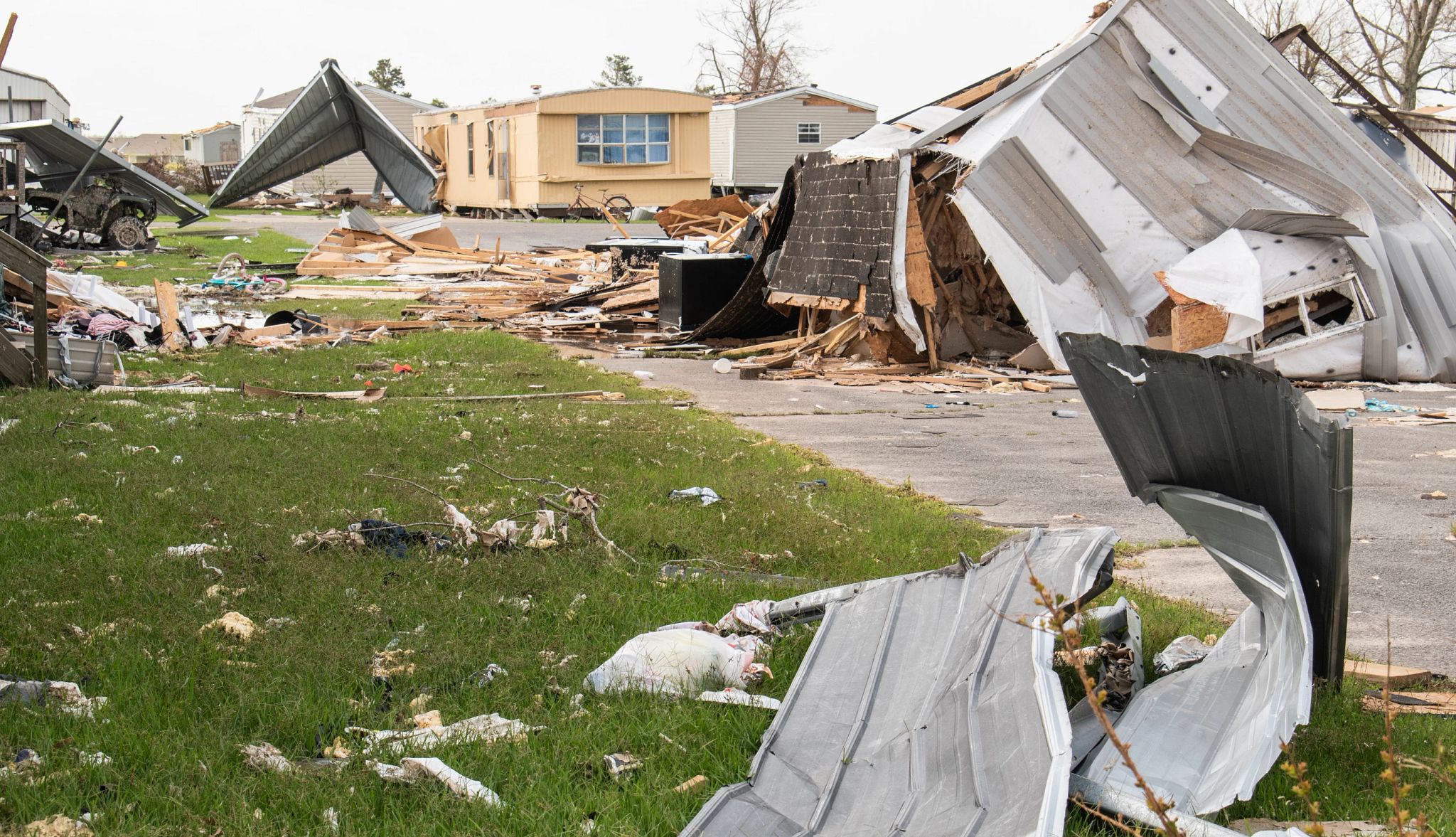
Storms can strike when you least expect them, leaving your home vulnerable. Strong winds, heavy rain, and flooding are just a few ways weather can cause damage. This guide will help you prepare and protect your home step by step.
Keep reading to safeguard your space today!
Inspect and Reinforce Your Roof
A strong roof can save your home from major damage. Regular checks and repairs keep it sturdy against harsh weather.
- Look for missing or damaged shingles. Cracks or wear, even if small, can lead to water leaks.
- Seal around chimneys and vent pipes to block water intrusion. Leaks here cause big problems over time.
- Reinforce roofs with hurricane straps in areas prone to storms. They keep the roof attached during strong winds.
- Check for structural integrity by hiring a contractor. Weak spots can make the whole roof vulnerable during storms.
- Use impact-resistant materials like shingles built for hail or high winds if possible in risky regions. These add an extra layer of protection.
- Clean and maintain your roof regularly to prevent small issues from growing worse, saving money later on.
Next, let’s make sure windows and doors are ready for anything!
Seal Windows and Doors
Seal windows and doors to keep your home safe from storms. Gaps let in wind, water, and drafts, weakening the structure over time.
- Use weather stripping or caulk around every window and door. This blocks air leakage and keeps water out during storms.
- Check for cracks or gaps in window frames regularly. Even small cracks can grow larger with time.
- Upgrade to steel entry doors if you live in a storm-prone area. Steel provides better wind resistance than wood or cheaper materials.
- Double doors and sliding patio doors may not hold up well in extreme weather conditions. Secure them with special hardware, like extra bolts at the top and bottom of the frame.
- Seal windows to boost energy efficiency too by reducing drafts year-round, cutting down on heating or cooling costs.
- Install water-resistant seals on basement windows to block flooding issues caused by heavy rain.
- Reinforce glass panes with shatter-proof films for extra protection against flying debris during high winds.
Install Storm Shutters or DIY Alternatives
Storm shutters can shield your home during bad weather. You can buy them or make simple DIY options.
- Install special storm shutters if you live in hurricane-prone areas. These protect windows from strong winds and flying debris.
- DIY shutters can work too. Use ½-inch marine plywood or metal storm panels as a cheaper alternative. Cut them to fit your windows properly for the best protection.
- Make sure each shutter overlaps the window frame by at least 4 inches and label them for easy use in emergencies.
- Don’t forget skylights! They also need coverage since they are just as vulnerable as regular windows.
- In places without storm-ready supplies, board up windows with sturdy plywood sheets before storms hit. It’s affordable and effective.
- Impact-resistant windows are another option if you prefer something permanent over shutters or boards.
- Properly installed shutters can stop wind pressure from breaking glass, saving you costly repairs after storms blow through. It’s also smart to have your roof inspected by professionals in restoration roofing to identify weak spots before storms cause serious structural damage.
Secure Outdoor Furniture and Yard Items
After setting up storm shutters, it’s time to look outside. Loose yard items can become dangerous during strong winds.
- Clear your yard of all objects that might fly around. Even small items like toys or garden tools can cause damage.
- Secure lawn furniture with straps or anchors. If possible, bring chairs and tables indoors for safety.
- Move grills, potted plants, and decorations into a garage or shed. These items are light and can easily be lifted by the wind.
- Take down and store exterior antennas. High winds can knock them loose, turning them into dangerous projectiles.
- Tightly tie down larger structures like playhouses or sheds. Use heavy-duty straps to keep them in place during severe weather.
- Remove trash cans from open spaces. Store them inside or weigh them down to prevent tipping over.
- Disconnect any hanging elements like bird feeders or wind chimes. Strong gusts could rip them off hooks and send debris flying.
These simple steps keep your home safe while protecting your neighbors from stray debris as well!
Clear Gutters and Drainage Systems
Gutter maintenance is key to protecting your home from water damage. Blocked gutters can cause roof leaks, flooding, and even harm your home’s foundation.
- Clean your gutters and downspouts regularly, especially before storm season. This helps manage rainwater and prevents overflow.
- Install gutter guards to stop debris like leaves and dirt from clogging the system. They improve water flow and reduce cleaning needs.
- Direct downspouts at least 6 feet away from the foundation. This keeps water from seeping into the basement or damaging your structure.
- Check for sagging or loose gutters that might spill water near walls or landscaping during storms. Tighten them if needed to avoid costly repairs later.
- Clear drainage pipes often to maintain proper flow. Blockages can lead to pooling water, increasing flood risks during heavy rains.
Protect Your Home from Flooding
Stop water from sneaking into your home, and keep your space dry even when storms rage on.
Apply waterproof sealants to basement walls
Waterproofing your basement is crucial for flood protection. It helps prevent seepage and reduces mold growth caused by water intrusion.
- Apply waterproof sealants to basement walls to block moisture. They act as a barrier against leaks during heavy rains.
- Sealants improve water resistance, keeping your basement dry and protected from damage.
- Choose products rated for specific water pressures to match your home’s needs. Check the manufacturer’s instructions before applying.
- Inspect the sealant each year for cracks or wear, especially in homes with past water problems. Even minor damage can lead to seepage over time.
- Professional application may be needed if severe water issues exist or if cracks are large and deep. Experts ensure proper coverage and durability of the sealant layer.
- Using sealant also prevents mold, which thrives in damp spaces; this protects air quality and health indoors.
- Waterproofing boosts structural integrity by safeguarding basement materials from rotting or weakening due to moisture exposure.
- This cost-effective step adds long-term value by extending the life of walls, flooring, and insulation in your home’s lower levels.
Consider installing flood walls or barriers
Floods can hit without much warning. Taking steps to reduce water damage is key to protecting your home.
- Install temporary barriers like sandbags for last-minute flood protection. They are affordable and effective in emergencies.
- Use permanent flood walls made of concrete or steel for long-term safety. These require professional installation but offer strong defense against rising water.
- Inspect barriers for cracks and gaps before storms arrive. Regular maintenance ensures they stay reliable during heavy rain or floods.
- Follow FEMA or local guidelines when setting up barriers to meet safety standards and increase effectiveness in flood mitigation efforts.
- Homes with certified barriers may qualify for discounts on insurance, which can save money over time while boosting structural integrity.
- Place these water barriers near doors, windows, or any low-lying entry points prone to flooding to limit potential water damage.
Securing outdoor furniture and yard items is the next step in storm preparedness!
Trim Trees and Vegetation Near Your Home
Overgrown trees and plants can cause serious damage during storms. Regular trimming keeps your home safer and more secure.
- Cut back any branches hanging over your roof. These can break off in high winds and crash into your home.
- Remove dead or weak limbs from trees near your house. They are the first to fall in storms, causing roof or window damage.
- Keep vegetation at least a few feet away from your home’s walls. Plants that touch the house can bring moisture inside, which leads to water damage.
- Check for overgrown shrubs near drainage areas. Blocked pathways increase flooding risks during heavy rain or snowmelt.
- Trim trees annually and inspect them for disease or instability with the help of an arborist, if needed, to prevent future hazards.
- Clear a safe zone around your home to reduce fire risk during lightning storms, especially in dry seasons or wildfire-prone areas.
- Avoid planting large trees too close to powerlines, as falling branches can cause outages during storms.
Clearing gutters is another key step in storm preparedness that keeps homes protected from water damage!
Strengthen Entry and Garage Doors
Strong doors can stop bad weather from destroying your home. Both entry and garage doors need extra care to handle high winds and storms.
- Install steel entry doors for better wind resistance in stormy areas like the coast. These doors are tough and can handle hurricane-level winds.
- Reinforce weak patio doors like sliding or French styles. Add bolts at the top and bottom to keep them secure under pressure.
- Use braces on garage doors to stop them from caving in during hurricanes or tornadoes. FEMA suggests choosing wind-resistant models if you live near the coast.
- Upgrade locks, hinges, and other hardware on all exterior doors for more durability. Stronger parts help prevent water and debris from breaking through.
- Seal door frames properly to block water intrusion during heavy rainstorms. Gaps can let in both air and moisture, causing damage inside.
- Test garage-door strength by checking its pressure rating against local wind guidelines. Weak points often fail first in storms stronger than EF-1 tornadoes.
- Consider replacing older or hollow-core doors that aren’t built for bad weather. Solid materials work best for lasting protection against harsh conditions.
- Consult a pro to review your home’s storm readiness, especially if you’re unsure about structural reinforcements needed for your area’s risks.
Prepare a Safe Room or Storm Shelter
Basements and underground storm cellars offer the best protection during tornadoes. These spaces shield you from flying debris and strong winds. If you have a storm cellar, check that its door locks securely.
Move to this shelter well before a storm hits; waiting too long can be dangerous. No basement? Create a safe room on your ground floor. Pick an interior space with no windows, like a closet or bathroom, and reinforce it with extra wall support following FEMA’s guidelines.
Stock your shelter with emergency supplies like flashlights, water, snacks, and first-aid kits.
Mobile homes are unsafe during tornadoes due to their lightweight structure. Plan ahead to evacuate to solid shelters nearby if severe weather arises. Apartment living may require coordination too; arrange access to lower-level apartments or community shelters beforehand.
Families should practice safety drills at least twice yearly so everyone knows where to go in an emergency, including kids who might panic under stress. Focus on getting as low as possible while placing as many walls between yourself and the outside chaos for maximum protection when every second counts!
Know How to Shut Off Utilities During Emergencies
It’s great to have a safe room, but there’s more to storm prep. Shutting off your utilities during bad weather can save lives and prevent disasters.
- Learn how to turn off your gas supply. If wind or debris damages pipes, gas leaks could spark explosions. Locate the main shutoff valve near your meter and keep a wrench nearby.
- Practice shutting off electricity at the main breaker box. Water from flooding or leaks can cause electrical fires if breakers stay on. Show all adults in your home how to do this properly.
- Teach everyone where the water main is located. Broken pipes caused by storms or freezing weather can quickly flood your home when left unchecked.
- Keep emergency utility tools in an easy-to-reach spot. Tools like wrenches or valve keys are lifesavers during urgent moments.
- Show older kids how and when to call for help if they’re alone during emergencies and can’t manage shutoffs themselves.
- Contact your local utility company or emergency services for free training sessions on proper shutoff steps.
- Label all valves, breakers, and switches clearly so nobody wastes time finding the correct one under pressure.
- Check your systems regularly to be sure they work as intended before bad weather strikes.
- Talk through a simple plan with household members about who handles which utility in an emergency, avoiding confusion or delays.
- Store flashlights near breaker boxes for visibility if power cuts out while managing electrical shutoffs.
- Stay calm but act quickly during emergencies involving utilities; seconds matter for safety!
Conclusion
Protecting your home from wild weather doesn’t have to be hard. Small steps can make a big difference. Fix what’s weak, seal up gaps, and secure what could blow away. Stay ready before storms hit, not after.
Your home is your safe place; keep it that way!