
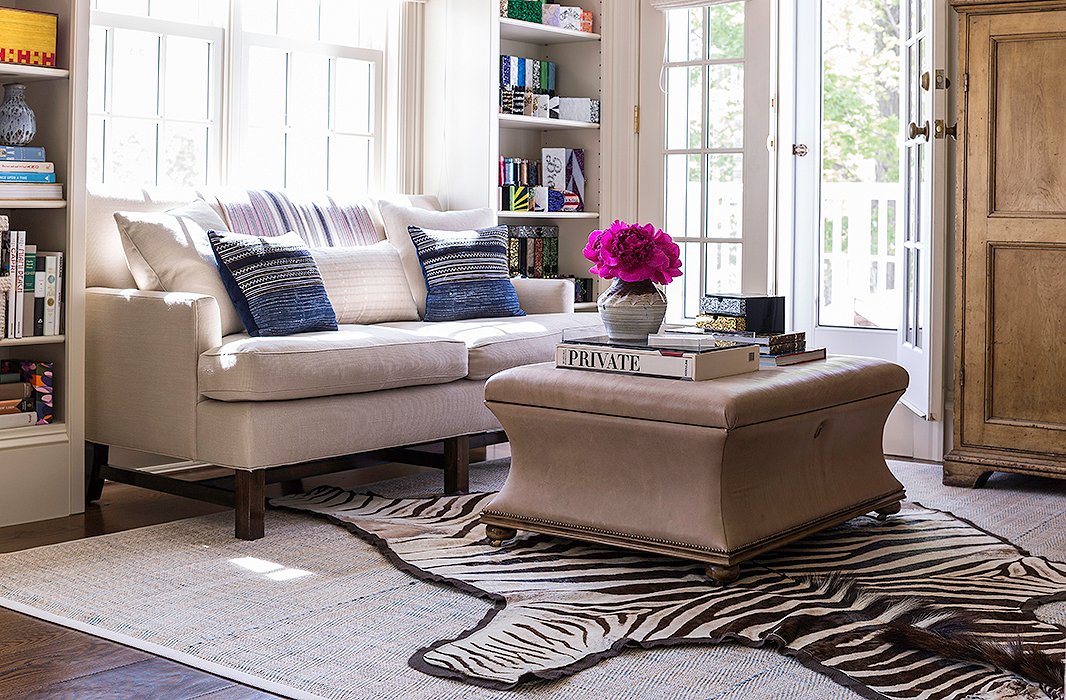
Kilim rugs have become a staple in modern interior design thanks to their bold patterns, vibrant colors, and flat-woven versatility.
One of the most stylish ways to incorporate these rugs into a contemporary home is by layering them. So finding the right Kilim rugs for sale is essential to achieving the perfect look.
Layering allows homeowners to mix textures, create visual interest, and define different zones in a room, all while showcasing the unique artistry of each Kilim rug.
Experts often guide clients on the best layering techniques to achieve a chic, modern aesthetic without overwhelming the space.
Why Layer Kilim Rugs?
Layering rugs isn’t just a decorative trend—it’s a practical design strategy. By placing one rug on top of another, you can:
- Add warmth and texture to hardwood or tile floors
- Define functional areas in open-plan spaces
- Mix patterns and colors to create visual depth
- Protect high-traffic areas while adding style
Bijan Morshedizadeh emphasizes that layering should be intentional. “The key to layering is balance,” he explains. “You want each rug to complement the others in color, pattern, and scale rather than compete for attention.”
Start With a Base Rug
The first step in layering is choosing a base rug. This rug should be large enough to anchor the furniture in the space. Neutral tones or subtle patterns work well as a base because they provide a canvas for bolder designs on top.
For example, a large beige or muted grey Kilim rug can support smaller, patterned rugs without clashing. The base rug also adds comfort underfoot and can protect floors from scratches or stains, especially in high-traffic areas.
Mix Patterns and Colors
Layering allows you to experiment with colors and patterns that might otherwise feel overwhelming. The trick is to maintain cohesion by:
- Choosing rugs that share at least one color tone
- Balancing bold patterns with simpler designs
- Varying scale, so smaller patterns sit atop larger, more subtle ones
Bijan Exclusive Rugs often showcases curated collections of Kilim rugs where patterns and colors are designed to harmonize when layered. According to Bijan Morshedizadeh, “Don’t be afraid to mix traditional Kilim designs with more modern geometric rugs. The contrast adds depth and character to any room.”
Play With Texture
Although Kilim rugs are naturally flat-woven, layering allows you to incorporate different textures. Combining a soft wool rug with a thinner Kilim rug, for instance, creates tactile interest while visually separating functional areas.
Experimenting with textures also helps define zones in an open-plan living space. For example, a plush wool rug can anchor a seating area, while a thin, patterned Kilim on top highlights a coffee table or entryway.
Consider Proportion and Scale
One common mistake when layering rugs is ignoring proportion. Smaller rugs on a large base rug can look lost if they are too tiny, or overwhelming if they cover too much space. A good rule of thumb is to leave at least 12–18 inches of the base rug visible around the edges of the top rug.
Bijan Morshedizadeh recommends visualizing the furniture arrangement before placing rugs. “Measure the rugs against your sofa, chairs, and tables to ensure the layering feels intentional. Proper scale prevents the room from looking cluttered or disjointed.”
Anchor With Furniture
When layering Kilim rugs, positioning furniture carefully can help anchor the arrangement. Place key pieces, like a coffee table or armchairs, partially over both rugs to tie the look together. This approach prevents rugs from floating awkwardly in the room and creates a cohesive, well-designed appearance.
It’s also helpful to leave some areas of the top rug exposed to highlight its pattern. This balance ensures that both rugs are appreciated and the layering doesn’t feel too busy.
Experiment With Angles
For a contemporary look, don’t feel limited to perfectly aligned rugs. Angling the top Kilim rug slightly can add dynamism and a sense of movement to the space. This is especially effective in smaller rooms or hallways, where straight layers might appear rigid.
Bijan Exclusive Rugs often demonstrates this technique in showrooms, allowing clients to see how angled layering creates visual interest without disrupting the flow of furniture.
Functional Layering Tips
In addition to aesthetics, layering can serve practical purposes:
- Protect delicate flooring or carpets in high-traffic areas
- Make entryways or doorways more resilient to wear
- Allow seasonal swaps, such as lighter rugs in summer and warmer textures in winter
These functional benefits make layering not only stylish but also practical for everyday living.
Maintain and Care for Layered Rugs
Layering Kilim rugs requires a bit of extra maintenance to ensure longevity. Tips include:
- Vacuuming both rugs separately to avoid debris accumulation
- Rotating the top rug periodically to prevent uneven wear
- Using non-slip rug pads to keep layers in place
Bijan Morshedizadeh notes that “Proper care extends the life of your Kilim rugs, especially when layered. Simple precautions prevent slippage and help maintain the vibrant colors and patterns over time.”
Final Thoughts
Layering Kilim rugs is an effective way to combine style, texture, and practicality in modern interiors. By starting with a neutral base, mixing patterns and colors thoughtfully, considering scale, and anchoring rugs with furniture, homeowners can create a sophisticated, layered look that elevates any room.
Working with experts like Bijan Exclusive Rugs allows buyers to select complementary rugs that balance tradition with contemporary flair. Following the guidance of specialists such as Bijan Morshedizadeh ensures that layering Kilim rugs is not only visually stunning but also functional and long-lasting.
Whether you’re decorating a living room, bedroom, or hallway, layering Kilim rugs offers endless possibilities to personalize your space and highlight the craftsmanship of these beautiful, handmade pieces.