
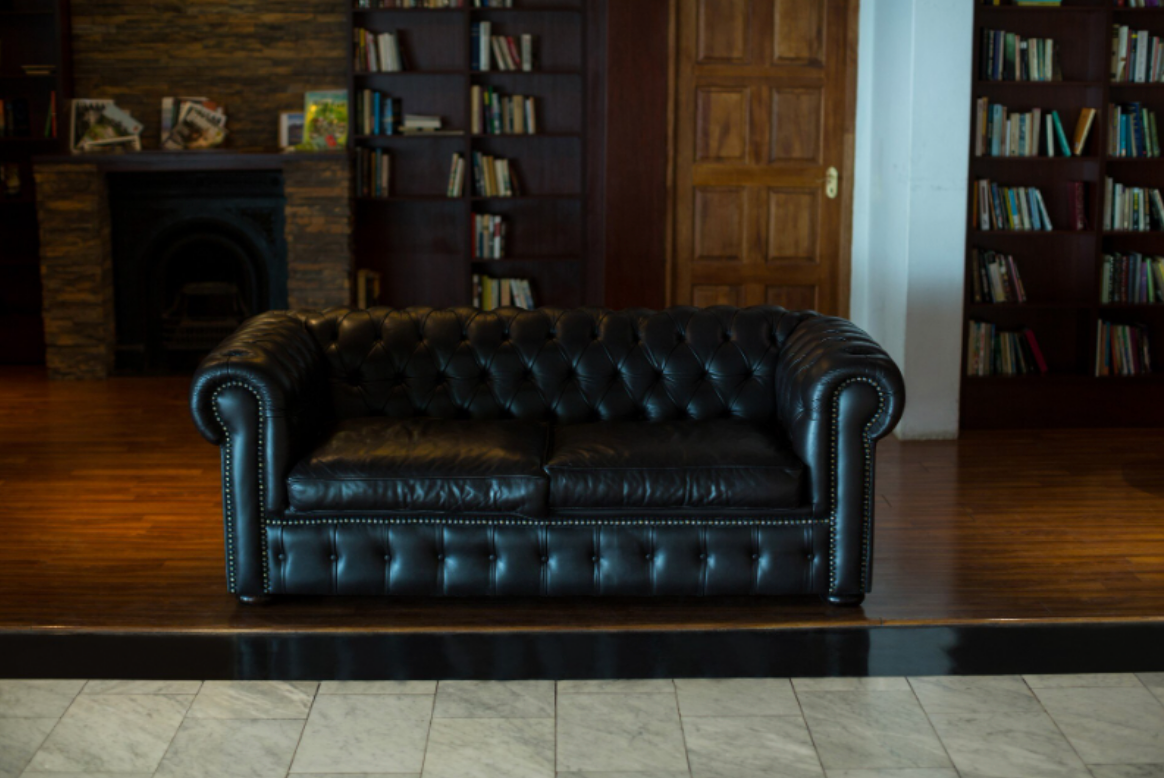
Leather sofas have maintained their status as one of the most iconic and desirable pieces of furniture in interior design. Their appeal lies not only in their visual sophistication but also in their comfort, durability, and ability to adapt to a wide range of living spaces. Many homeowners are drawn to branded leather sofas for their assured quality, refined craftsmanship, and long-lasting value. From classic homes to modern apartments, leather seating continues to represent a balance between practicality and elegance that few other materials can match.
Over time, the demand for leather sofas has remained steady, even as interior design trends evolve. This consistency reflects their timeless nature. While fabrics, colours, and shapes may change with fashion cycles, leather retains a permanent place as a symbol of quality and refinement. It is this enduring relevance that makes leather sofas a long-term investment rather than a temporary purchase.
The Craftsmanship Behind Leather Sofas
The creation of a leather sofa involves a detailed and highly skilled process that transforms natural hides into refined furniture. Each stage requires precision, patience, and expertise to ensure the final product meets high standards of quality.
The journey begins with the selection of raw hides, which are carefully inspected for consistency and strength. These hides then undergo a tanning process, which stabilises the material and prepares it for further treatment. Depending on the desired finish, tanning may be done using traditional vegetable-based methods or modern chemical processes. Each method influences the texture, durability, and appearance of the leather.
Once tanned, the leather is dyed and treated to achieve its final colour and finish. This stage is particularly important as it defines the character of the sofa, whether it is a deep, rich tone or a lighter, more contemporary shade. Skilled craftsmen then cut and stitch the leather with precision, ensuring every seam aligns perfectly. The structure beneath the leather is equally important, often built from solid hardwood frames designed to support long-term use.
Branded leather sofas are especially known for their attention to detail. Every stitch, seam, and surface is carefully inspected to ensure durability and aesthetic consistency. This level of craftsmanship is what separates premium pieces from mass-produced alternatives.
Benefits of Owning Leather Sofas
One of the most significant advantages of leather sofas is their durability. Genuine leather is a strong and resilient material that can withstand years of regular use without losing its structural integrity. Unlike many synthetic materials, it does not easily tear or fray, making it ideal for busy households.
Another key benefit is its natural resistance to spills and stains. While not completely waterproof, leather is far easier to clean than most fabrics. Spills can often be wiped away quickly, reducing the risk of permanent damage. Over time, leather also develops a natural patina, a soft sheen that enhances its character and gives it a more distinguished appearance.
Leather is also a practical choice for individuals with allergies. Unlike fabric upholstery, it does not trap dust, pet hair, or allergens as easily. This contributes to a cleaner indoor environment and makes maintenance simpler. Regular wiping is usually enough to keep the surface clean and fresh.
Comfort is another important factor. Leather naturally adapts to body temperature, feeling cool in warmer weather and warm in cooler conditions. This adaptability enhances the overall seating experience throughout the year.
Designing with Leather Sofas
Leather sofas are highly versatile in interior design, making them suitable for a wide variety of styles. Whether placed in a modern minimalist space or a traditional living room, they naturally blend with their surroundings while still standing out as a focal point.
Their adaptability comes from the wide range of colours and finishes available. Classic tones such as black, brown, and tan remain popular for their timeless appeal, while lighter shades like beige and grey are increasingly favoured in contemporary homes. These options allow homeowners to match their furniture with existing décor effortlessly.
A leather sofa often serves as the centrepiece of a room. Its presence naturally draws attention, allowing other design elements to complement it. Cushions, throws, rugs, and artwork can all be used to enhance the overall aesthetic without overpowering the sofa itself.
Lighting also plays an important role in highlighting leather furniture. Natural light can enhance its texture and richness, while soft artificial lighting can create a warm and inviting atmosphere. The versatility of leather ensures it remains relevant across changing interior trends.
Sustainability and Leather Sofas
Sustainability has become an increasingly important consideration in furniture design and purchasing decisions. Leather, when sourced responsibly, can be a long-lasting and environmentally conscious material.
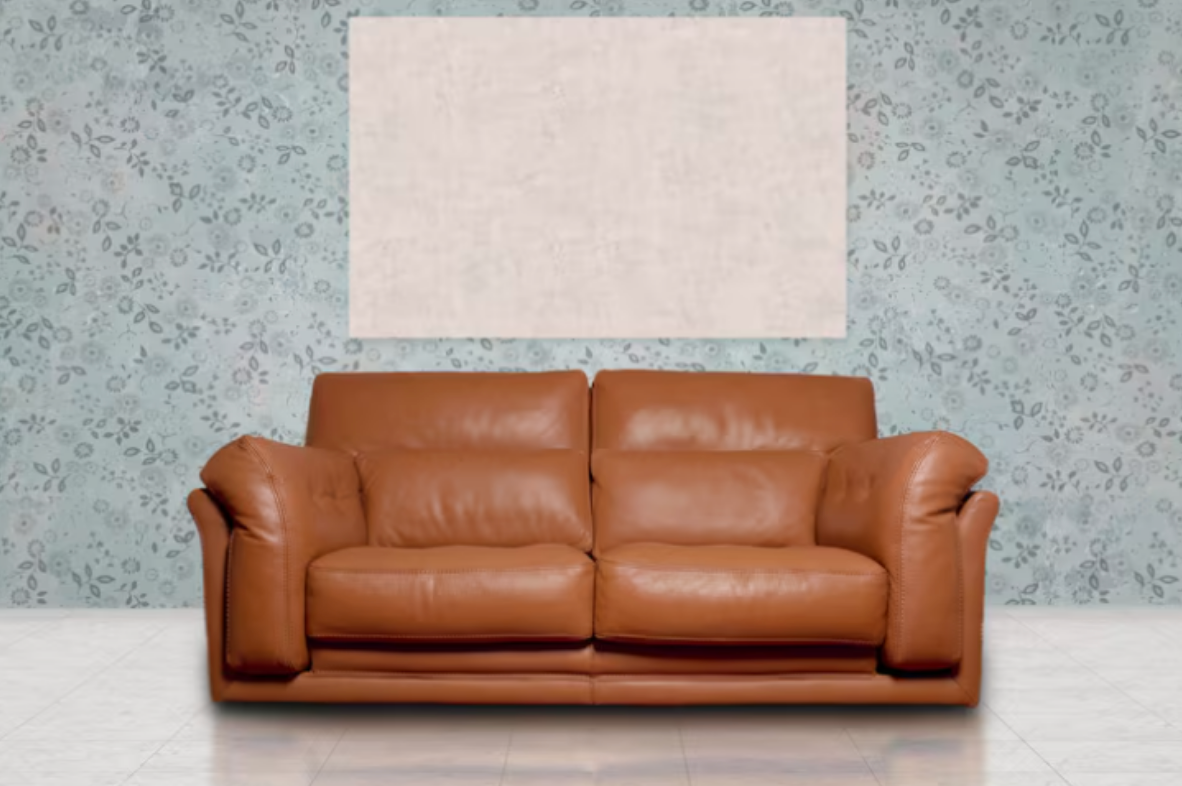
High-quality manufacturers often follow strict ethical guidelines in sourcing and production. This includes responsible animal husbandry practices and environmentally friendly tanning processes that reduce harmful waste. Such efforts contribute to making leather a more sustainable choice compared to lower-quality synthetic alternatives that may degrade more quickly.
The longevity of leather sofas also plays a role in sustainability. Because they last significantly longer than many other types of furniture, they reduce the need for frequent replacements. This helps lower overall consumption and waste, making them a more environmentally responsible investment over time.
Maintenance of Leather Sofas
Proper care is essential to maintain the appearance and lifespan of a leather sofa. Regular cleaning using a soft, dry or slightly damp cloth helps remove dust and surface dirt. This simple routine prevents buildup that could affect the material’s finish over time.
It is important to avoid harsh cleaning products, as these can damage the leather’s natural oils and lead to dryness or cracking. Instead, specialised leather conditioners can be used periodically to keep the material soft and supple. These products help maintain flexibility and prevent long-term deterioration.
Placement within the home also affects durability. Direct exposure to sunlight can cause fading, while proximity to heat sources may lead to drying and cracking. Positioning the sofa in a well-balanced environment helps preserve its condition for years to come.
The Role of Brand Integrity
Choosing a leather sofa from a reputable brand often ensures higher quality and greater reliability. Established manufacturers typically invest in better materials, skilled craftsmanship, and stricter quality control processes. This results in furniture that not only looks better but also lasts longer.
Branded leather sofas often come with warranties, offering additional reassurance to buyers. These guarantees reflect the manufacturer’s confidence in their product and provide peace of mind in case of unexpected issues.
Brand reputation also plays a role in design consistency and innovation. Well-known companies often lead the way in introducing new styles, improved comfort features, and more sustainable production methods.
Conclusion: Timeless Value and Lasting Comfort
Leather sofas continue to hold a strong position in the world of interior design due to their unique combination of elegance, durability, and practicality. They offer more than just seating; they provide a sense of style and permanence that enhances any living space.
From their detailed craftsmanship to their long-term benefits, leather sofas represent a thoughtful investment in both comfort and design. Their ability to adapt to different interiors, age gracefully, and remain functional for years makes them a preferred choice for many households.
As design trends continue to evolve, the enduring charm of leather remains unchanged. It is this balance of tradition and modern relevance that ensures leather sofas will continue to be valued for generations to come.