
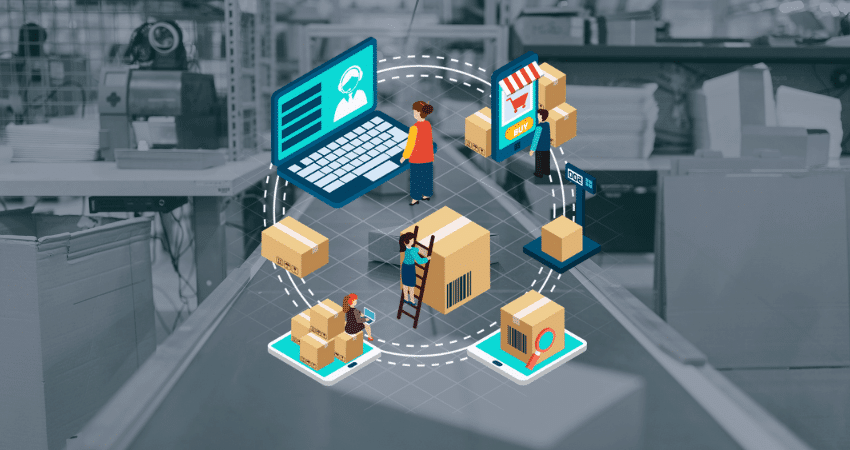
Enhancing Productivity Through Automation
Manual measurement is a bottleneck. Cargo Spectre dimensioners automate this process, drastically cutting down the time spent on each package. This automation means more packages processed in less time, directly boosting overall warehouse throughput. Faster processing leads to quicker order fulfillment and happier customers.
This speed isn’t just about moving boxes; it’s about optimizing the entire workflow. By removing the manual step, you free up your team to focus on more value-added tasks. The Cargo Spectre dimensioner acts as a silent partner, working tirelessly to keep your operations moving.
Think about the cumulative effect over a day, a week, or a month. The hours saved by automating measurements add up significantly. This is where the real gains in productivity start to show, making your warehouse a more efficient machine.
Reducing Manual Measurement Errors
Human error is a given when it comes to repetitive tasks like measuring packages. A slight miscalculation here, a rushed measurement there, and suddenly you’re dealing with incorrect shipping data. Cargo Spectre dimensioners eliminate this guesswork entirely.
These systems provide consistent, precise measurements every single time. This accuracy is vital, not just for billing, but for maintaining accurate inventory records and understanding your shipping profile. Reducing errors means fewer costly disputes and a more reliable operation.
Consider the downstream effects of inaccurate data. It can lead to incorrect shipping charges, lost revenue, and even customer complaints. By using a Cargo Spectre dimensioner, you’re building a foundation of trust in your data.
Optimizing Labor Allocation
When your team isn’t bogged down with manual measurements, they can be redirected to more critical tasks. This could mean better inventory management, more efficient packing, or improved quality control. Cargo Spectre dimensioners help you make the most of your workforce.
Instead of having staff spend time with tape measures and scales, they can focus on activities that directly impact customer satisfaction and operational efficiency. This strategic reallocation of labor is a key benefit of warehouse automation.
It’s about working smarter, not just harder. By automating the mundane, you allow your skilled employees to apply their talents where they are most needed, leading to a more engaged and productive team.
Achieving Billing Accuracy and Cost Savings
Eliminating Carrier Surcharges and Disputes
Manual measurements are often inconsistent, leading to unexpected carrier surcharges and time-consuming disputes. Automated dimensioners capture precise dimensions every time, removing guesswork. This accuracy means you pay for exactly what you ship, not an estimate. This consistent data is key to avoiding costly billing errors.
Automating Dimensional Weight Calculations
Carriers use dimensional weight (DIM weight) to calculate shipping costs, often charging based on the package’s volume rather than its actual weight. Dimensioners automatically compute DIM weight, preventing undercharges that lead to carrier rebilling and overcharges that upset customers. This automated calculation is a direct path to significant cost savings.
Improving Freight Bill Reconciliation
Reconciling freight bills with shipping records can be a tedious process, especially when manual data entry is involved. Automated dimensioners provide accurate, digital records of every shipment’s dimensions and weight. This data streamlines the reconciliation process, allowing for faster identification of discrepancies and quicker resolution of any billing issues. The time saved here alone can be substantial for many businesses.
Maximizing Warehouse Space Utilization
Every square foot in a warehouse represents a cost. By accurately measuring inventory, businesses can significantly improve how they use their available space. Automated dimensioners provide the precise data needed to make smarter decisions about storage and layout, directly impacting the bottom line.
Informed Slotting Strategies
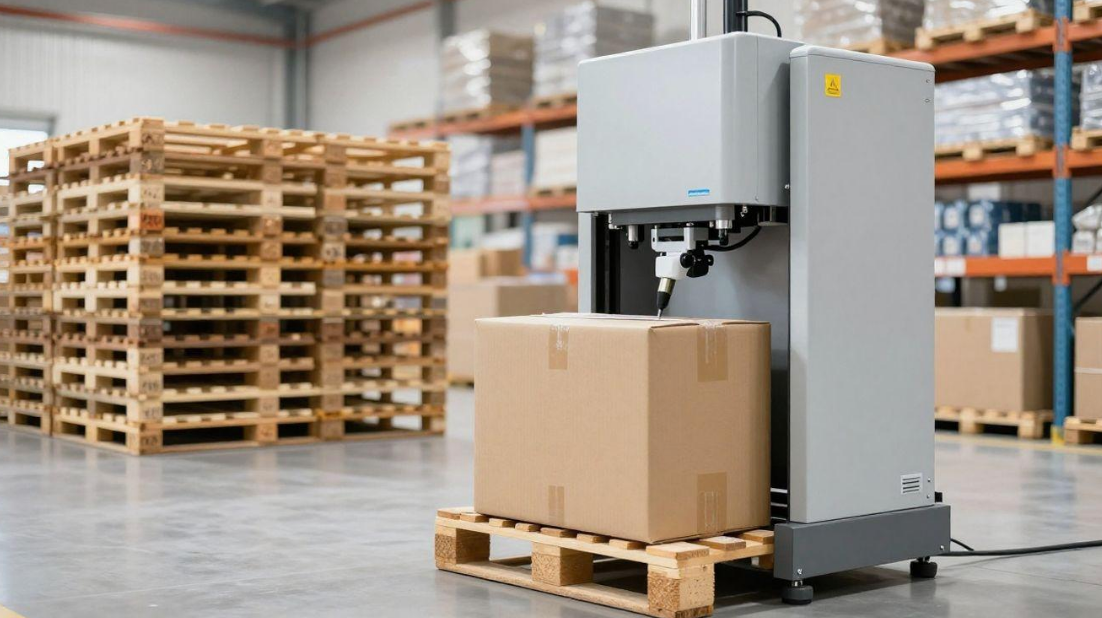
Slotting is all about putting the right item in the right place. With precise dimension data from automated dimensioners, warehouse managers can develop much more effective slotting strategies. This means smaller items can be placed in tighter, more accessible spots, while larger items find their optimal locations without wasting valuable floor space. This intelligent placement reduces the risk of damage and misplacement, making inventory easier to find and manage. Accurate dimensions are key to understanding each SKU’s physical footprint, allowing for a truly optimized storage plan.
Optimized Packaging Decisions
Shipping products in boxes that are too large is a common and costly mistake. It leads to paying for shipping
The Technology Behind Cargo Spectre Dimensioners
Advanced Sensor Technologies
Cargo Spectre dimensioners use a few different types of sensors to get the job done. Think of infrared sensors; they work by sending out beams of light. When an object, like a box, gets in the way, the beam is interrupted, and the system knows where the edge of the item is. This is a pretty common way to figure out the size of things.
Then there are laser dimensioning systems. These are a bit more advanced. They use lasers to measure the distance to the object. By calculating how long it takes for the laser light to bounce back, they can figure out dimensions with really high accuracy. It’s like a super-fast, super-precise tape measure.
Finally, some systems use 3D imaging. This involves projecting patterns of light onto the object and then using cameras to see how those patterns distort. This creates a detailed 3D map of the item, giving a very complete picture of its shape and size. This technology is great for oddly shaped items.
Static vs. In-Motion Measurement Capabilities
Cargo Spectre offers dimensioners that can measure items in two main ways: static and in-motion. Static measurement means the item needs to be still for a moment while the dimensioner takes its readings. This is great for pack stations or areas where items are handled one by one and can be paused briefly. It’s reliable and accurate for individual package processing.
In-motion measurement is for when you have a lot of items moving quickly, like on a conveyor belt. These systems are designed to capture dimensions as the item passes by without slowing down the line. This is a huge time-saver in high-volume warehouses where every second counts. The technology here has to be really fast to keep up.
The choice between static and in-motion depends entirely on your warehouse workflow and volume. If you’re shipping hundreds or thousands of packages a day, in-motion is probably the way to go. For smaller operations or specific check points, static might be perfectly fine. Both types of Cargo Spectre dimensioners provide the accurate data you need.
Data Output and System Integration
Once a Cargo Spectre dimensioner has measured your package, it doesn’t just keep that information to itself. The data—length, width, height, and sometimes weight—is immediately available. This is where the real magic happens for your warehouse operations. The system can send this information directly to your shipping software or your warehouse management system (WMS).
This integration is key. It means you don’t have to manually type in dimensions anymore. The correct measurements are automatically applied to each shipment. This drastically cuts down on errors and speeds up the entire shipping process. It also means that your WMS has the most up-to-date information about your inventory’s physical size.
Integrating dimensioner data into your existing systems is what turns raw measurements into actionable intelligence. This connection helps optimize everything from carrier selection to storage slotting, making your warehouse run much smoother and more profitably. The Cargo Spectre dimensioner is built for this kind of connectivity.
Return on Investment for SMB Warehouses
Rapid ROI Through Chargeback Reduction
For small and medium-sized businesses, the financial benefits of automated dimensioners kick in fast. One of the biggest wins is cutting down on those annoying carrier chargebacks. Manual measurements are prone to errors, leading to unexpected fees. Automated systems capture precise data, meaning you get billed correctly from the start. Some warehouses have seen chargebacks drop by over 90% within just three months of using dimensioners. This immediate impact on your bottom line makes the investment worthwhile.
Labor Savings and Throughput Increase
Think about how much time your team spends on measuring packages. It can take 30 seconds or more per item. Dimensioners do it in a couple of seconds. This frees up your staff to focus on more important tasks, like picking and packing orders faster. More orders processed means higher throughput. It’s a direct boost to your warehouse’s productivity without needing to hire more people. This increase in efficiency is a key part of the return on investment.
Long-Term Value and Scalability
Beyond the immediate savings, dimensioners offer lasting value. The accurate data they collect helps optimize everything from packaging choices to warehouse slotting. This means less wasted space and fewer damaged goods over time. As your business grows, these systems can scale with you. Many solutions offer flexible pricing or can be upgraded. Investing in a dimensioner is not just about fixing a current problem; it’s about building a more efficient and profitable operation for the future. The data gathered is also invaluable for negotiating better rates with carriers, further reducing shipping costs in the long run.
Selecting the Right Dimensioning Solution
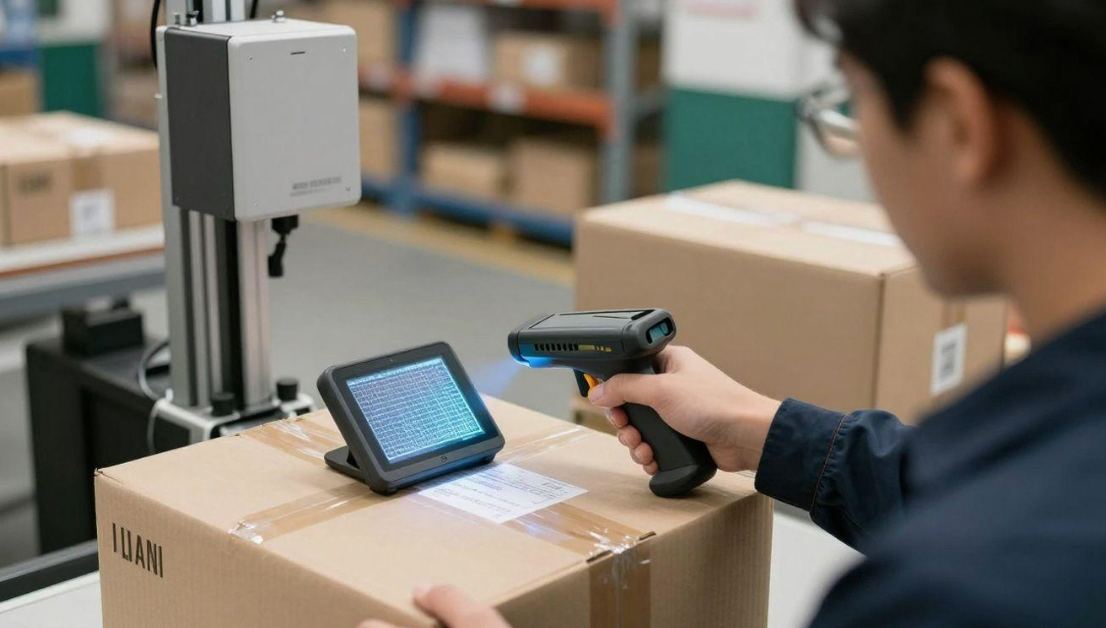
Choosing the right dimensioning solution is key to getting the most out of your investment. It’s not a one-size-fits-all situation; what works for one warehouse might not be the best fit for another. Think about what you’re shipping and how you’re shipping it. This will help you narrow down the options.
Parcel Dimensioners for Pack Stations
For businesses that handle a lot of smaller packages, especially in e-commerce, parcel dimensioners are a great choice. These are often benchtop units that sit right at your packing stations. They’re designed for speed and accuracy when measuring individual parcels. Some systems are even mobile, allowing you to move them between different packing areas, which is handy if you have a flexible workforce or multiple shipping zones.
Pallet and Freight Dimensioners for Larger Items
If your operation deals with bigger items, like pallets or large freight, you’ll need a different kind of dimensioner. These systems are built to handle bulkier goods. You might see forklift-mounted units that measure items as they’re moved, or floor portal systems where pallets pass through a measurement zone. Having a dimensioner that can handle these larger loads is important for accurate billing and space planning.
In-Motion Conveyor Dimensioners for High Volume
Warehouses with very high shipping volumes often turn to in-motion conveyor dimensioners. These systems measure packages as they move along a conveyor belt, capturing dimensions without slowing down the flow. They can measure dozens of items every minute. These are ideal for operations where speed is critical and manual measurement is a bottleneck. Integrating these with your existing systems is vital to make sure the data gets to the right place.
Wrapping Up: The Clear Benefits of Automated Dimensioning
So, when you look at it all, automated dimensioners really do make a big difference for warehouses. They take the guesswork out of measuring packages, which means fewer mistakes when billing and less hassle with shipping companies. This accuracy helps warehouses use their space better and speeds things up, letting workers focus on more important jobs instead of just measuring boxes all day. It’s not just about being faster, though; it’s about being right, which saves money and keeps things running smoothly. For any warehouse looking to get ahead, adding this kind of tech seems like a pretty smart move.