
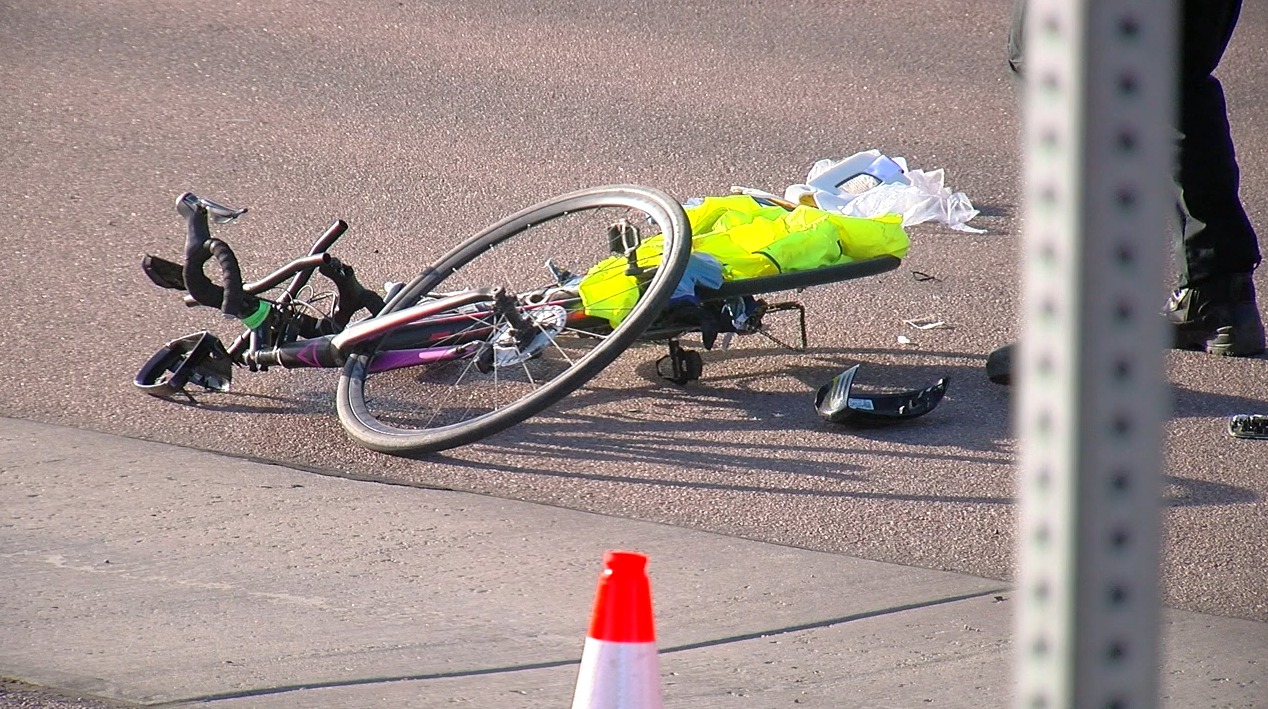
Port St. Lucie’s expanding bicycle infrastructure, including the off-road trail network connecting the city’s parks and recreational areas and the on-road bicycle facilities along its primary corridors, carries a growing cycling population that shares roads with the St. Lucie County vehicle traffic on US-1, Port St. Lucie Boulevard, and the residential streets of the city’s large planned communities. When a bicycle crash occurs on any of these surfaces, the legal framework governing the resulting claim involves Florida’s specific cyclist protection statutes, the post-HB 837 modified comparative fault standard that affects every Florida injury claim, and a coverage landscape that is less straightforward than most cyclists expect when they realize their bicycle has no liability insurance of its own.
Florida’s Three-Foot Passing Law and the Dooring Statute
Florida Statute Section 316.083 requires drivers overtaking a bicycle to pass at a safe distance of not less than three feet between the vehicle and the bicycle. This three-foot minimum is a statutory floor: passing closer than three feet is a per se violation that establishes the driver’s negligence when a crash results from insufficient clearance. Drivers who pass cyclists in Port St. Lucie’s mixed traffic environments without maintaining the required three-foot distance create the crash conditions that produce some of the most serious bicycle injuries in St. Lucie County, and the physical damage pattern on the bicycle itself frequently documents the clearance distance that was actually provided.
Florida Statute Section 316.2004 addresses the dooring hazard specific to parked vehicles: drivers and passengers in parked vehicles are prohibited from opening vehicle doors on the side adjacent to traffic unless it is reasonably safe to do so and can be done without interfering with traffic. For Port St. Lucie cyclists riding in the door zone alongside parked vehicles on commercial streets, a suddenly opened door creates an emergency that the cyclist often cannot avoid regardless of how attentively they were riding. The statutory prohibition on unsafe door opening establishes the liability of the door opener when a cyclist is struck.
HB 837’s 51 Percent Bar Applied to Port St. Lucie Bicycle Claims
Florida’s HB 837 modified comparative fault standard creates the same 51 percent claim-elimination threshold for bicycle accident claims that it creates for all Florida personal injury claims. Insurance adjusters handling bicycle crash claims in Port St. Lucie deploy the standard cyclist fault arguments: riding in the traffic lane rather than the bike lane where one was available, failing to use required lights for nighttime riding, and riding against traffic. Florida Statute Section 316.2065 governs bicycle operation and requires cyclists to ride in the same direction as traffic, to use designated bike lanes where available in certain circumstances, and to use front lights and rear reflectors for nighttime operation.
Statutory violations by the cyclist that contributed to the crash are potential comparative fault elements under HB 837, but they do not automatically produce a specific fault percentage. The objective evidence establishing the cyclist’s actual conduct before the crash, including the at-fault vehicle’s event data recorder data showing the driver’s pre-crash behavior, any available traffic camera or surveillance footage, and witness accounts, frames the fault allocation analysis from the cyclist’s perspective rather than relying on the insurer’s narrative.
The Coverage Investigation Every Port St. Lucie Bicycle Crash Requires
Bicycles carry no liability insurance, which means the insurance coverage available to a seriously injured Port St. Lucie cyclist comes from other sources that require specific identification. The at-fault driver’s bodily injury liability coverage is the primary source. The cyclist’s own auto insurance policy, if they have one, may include MedPay coverage that pays the cyclist’s medical expenses regardless of fault and may include uninsured motorist coverage that applies when the at-fault driver has insufficient insurance. A household member’s auto policy may extend the same coverages to the cyclist as a household member even though the crash involved a bicycle rather than a motor vehicle.
The Florida Department of Highway Safety and Motor Vehicles’ bicycle safety resources document the traffic laws applicable to cyclists on Florida roads. An experienced bicycle accident attorney in Port St. Lucie identifies every applicable coverage source from the first day of representation, builds the objective liability case before time-sensitive evidence is lost, and pursues the full damages the law provides under Florida’s post-HB 837 framework.