
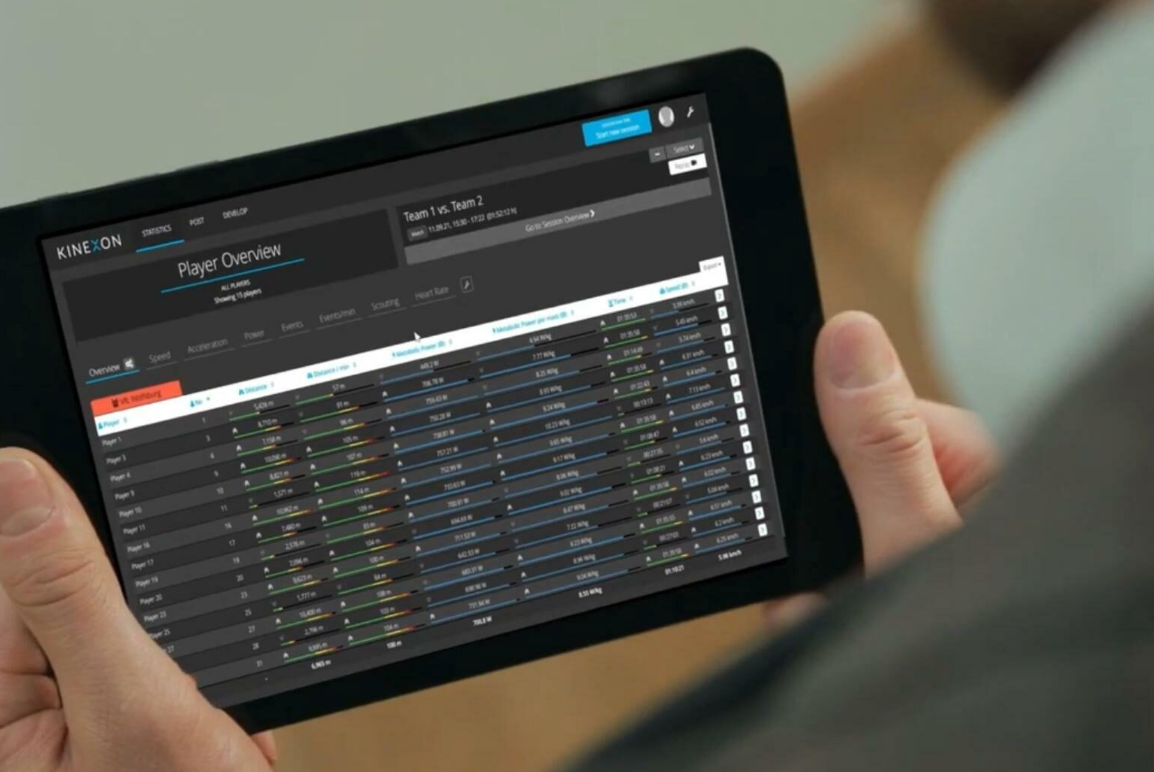
In modern e-sports, not only talent and mechanical skills are important, but also perseverance and proper training. Professional players increasingly rely on data, analytics and a systematic approach to their own development. That is why performance tracking tools have become an important element of player training at both professional and semi-professional levels. They allow you to analyze every aspect of the game, make decisions based on facts, not feelings. In this article, we will tell you why such tools should be in the arsenal of those who take the game seriously.
Data-Driven Improvement Instead of Guesswork
One of the main problems for most players is the subjective evaluation of their own gameplay. After a match, it may seem that you played well, or on the contrary — that everything was a failure, but these judgments should be backed up by numbers. Performance tracking tools solve this problem by providing concrete statistical data, such as K/D, ADR, utility usage, entry success, clutches, positional effectiveness, and much more. Thanks to this, the player can see both the overall picture and precise weak spots.
This is especially important in team esports disciplines like Counter-Strike 2, Dota 2, or Valorant. In these games, individual statistics are closely intertwined with team dynamics. For example, by analyzing your own results on valorant tracker or similar platforms, you can understand how consistently you perform relative to players in your rank and where you are better or lag behind average metrics. This helps improve the necessary skills and increase your win rate.
In addition, tracking tools allow you to track the dynamics – not one match, but dozens and hundreds of matches. Players can analyze a general trend showing real development. If ADR is steadily growing, and the number of errors in timings decreases, this is a signal of the correct approach to training. Without statistics, such conclusions are more difficult to draw.
Understanding Your Role and Playstyle
In most esports disciplines, there is a role division. Understanding your own role in the team and playing correctly is one of the most important aspects of the game. Many players try to imitate the style of top stars without considering that their strengths might be completely different. Performance tracking tools help clearly identify what you are effective at, using CS2 as an example: entry-fragging, support, lurk, or AWP.
For example, if statistics show a high percentage of successful entry-duels, but low efficiency in clutches, this means that the player brings maximum benefit at the beginning of the round, and not at the end. Knowing this, you can adjust the team strategy and increase the chances of winning. Analytics clearly highlights these points emphasizing the strengths of each player.
It is also important to understand how your style affects the team. Performance tracking tools allow you to analyze synergy with other players. For example, how often do you exchange frags, how effectively do you use the utilities together, do not duplicate each other’s functions. For professional teams, this is the basis for building a tactical model of the game. Each player in the team consciously develops those aspects that really affect the result. This is what distinguishes amateurs from those who seek to move to a new level.
Smarter Training and Time Efficiency
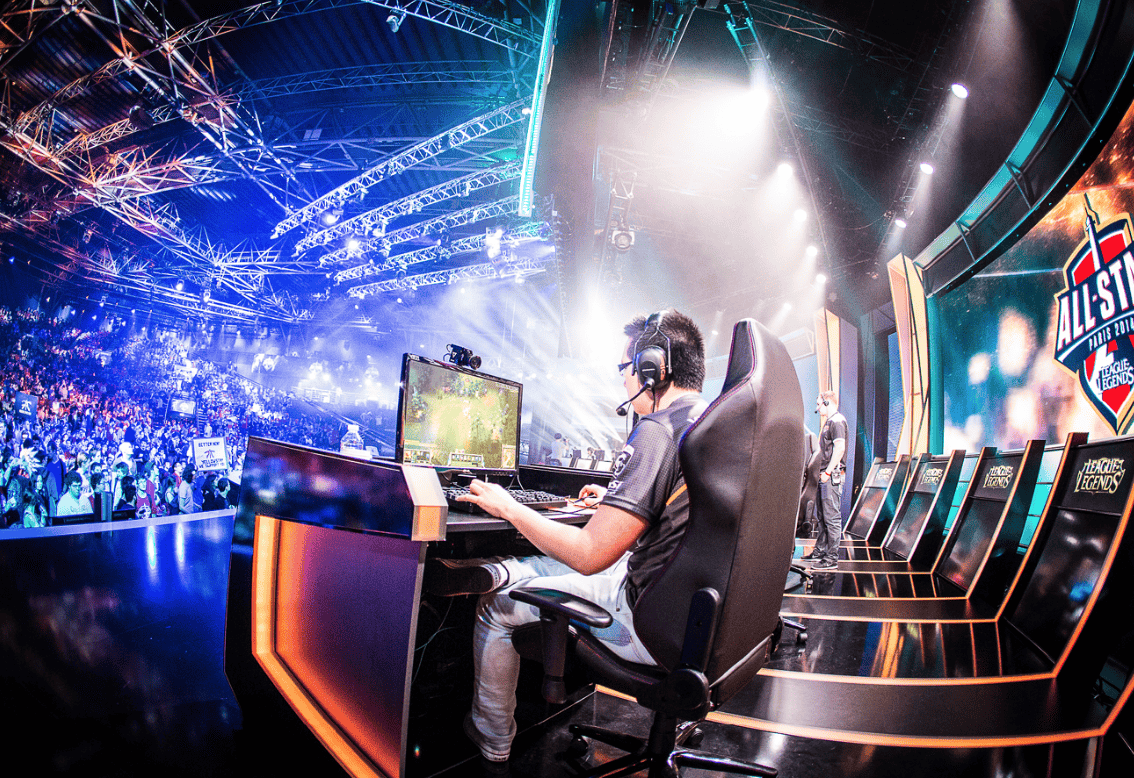
Time is one of the most scarce resources for serious players. Professionals have a clearly allocated time for training, while semi-pros and amateurs often combine playing with work or studies. Performance tracking tools allow you to make training as effective as possible, even if you only dedicate an hour a day. They help focus only on the necessary elements and those that need improvement.
Instead of the standard approach of just playing more matches, a player gets a clear training plan. In the case of shooters, this could mean working on spray control, improving grenade usage, or changing positioning on specific maps. In the case of MOBAs, it could involve learning new strategies, improving creep or tournament management. The data shows where you lose rounds and which actions lead to defeats. This significantly shortens the path to progress.
In addition, analytics helps to avoid overtraining. Professional players usually train under the supervision of coaches, but amateurs can overtrain. If statistics show a drop in efficiency after a certain number of matches, this is a signal that the body and psyche need rest. It is necessary to determine clear boundaries for training and time to rest.
For trainers and analysts, performance tracking tools are indispensable. They allow you to build individual training programs, create unique strategies based on the specific numbers of each player. This improves the quality of training of the whole team and gives a tangible competitive advantage.
Competitive Advantage in Ranked and Pro Environment
Professional esports is a highly competitive environment, and even a small advantage can determine the outcome of a match. Performance tracking tools provide this advantage by turning information into a tool to improve gameplay. Teams that analyze their statistics work on improving key aspects of the game, adapt better to changes in the meta, patches, and opponents’ playstyles, which significantly increases their chances of winning.
It is also important to consider the psychological aspect. When a player sees progress confirmed by numbers, it boosts their self-confidence. Even after losses, there is an understanding of what was done wrong and right, and what can be improved. This helps maintain consistency over the long term, which ultimately aids in reaching a professional level.
As a result, performance tracking tools are one of the main elements that form professional thinking. The player begins to perceive matches not as entertainment or a set of random events, but as a system that can be analyzed, optimized and improved. It is this approach that defines professional players.
Conclusion
Collecting all the facts to the heap, we can say that performance tracking tools are an important option, both for professional teams and for ordinary players who want to progress. They replace guesswork with clear data, help to better understand their own role, improve the effectiveness of training and gain a competitive advantage. A serious player is not someone who just plays a lot, but someone who plays smart and knows how to analyze and draw conclusions. Using tracking tools, you will be able to increase productivity and possibly become a professional esports player.