
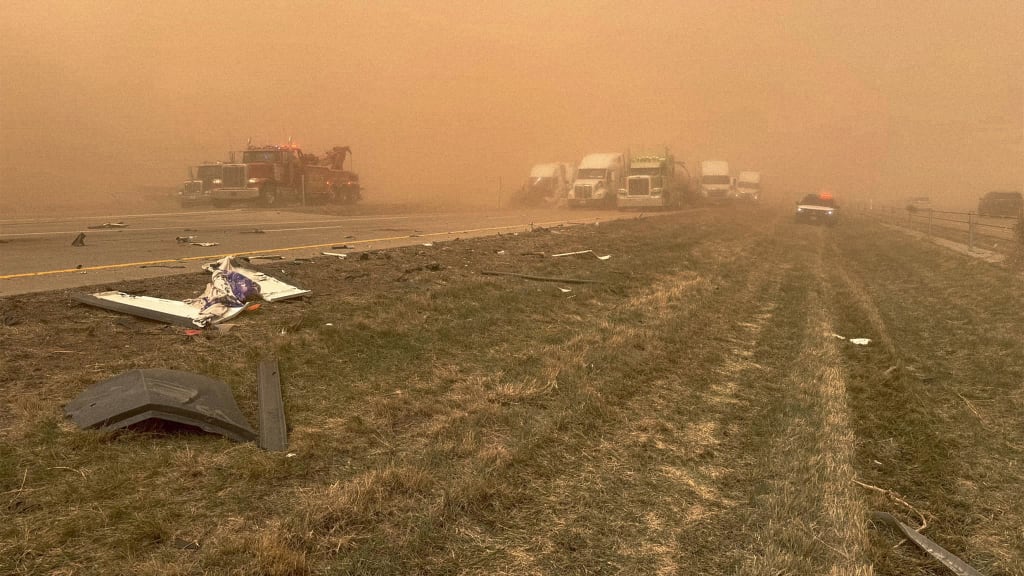
It is a typical Tuesday in Green Country. You are cruising down the BA, dodging the endless construction barrels that seem to be a permanent fixture of the landscape. The skyline is ahead of you. The radio is on. You are thinking about getting barbecue for lunch.
Then, out of nowhere, traffic stops.
You slam on the brakes. The tires screech. You stop with inches to spare. You let out a breath. You are safe.
Then comes the impact from behind.
It is violent. Your head snaps back. The coffee in the cup holder goes airborne. The sound of metal crumpling is sickeningly loud, and then, suddenly, everything is quiet.
You are sitting there on the asphalt, surrounded by the smell of exhaust and radiator fluid. The Oklahoma sun is beating down. You are hurt. You are confused. And just like that, your life has taken a detour you didn’t plan for.
This isn’t just a bad day. It is the start of a very long, very complicated process.
The Oklahoma Insurance Reality
We like to talk about the “Oklahoma Standard” here. People helping people. Neighbors looking out for neighbors. It is real, and it is beautiful.
But insurance companies do not follow the Oklahoma Standard.
To them, you are a claim number. You are a liability on a spreadsheet. Their goal isn’t to help you recover; it is to protect their profit margins. This can be a splash of cold water for people who expect fair treatment.
Oklahoma is an “at-fault” state. That means the person who caused the accident is responsible for paying the damages. It sounds simple. It rarely is.
If the other driver says you cut them off, or if they claim they had a green light when they didn’t, it becomes a fight. And if you are relying on their insurance company to be objective, you are going to be disappointed. They will look for any reason to deny your claim or reduce the payout. They might argue you were speeding. They might argue you didn’t signal. They will do whatever it takes to shift the blame onto you.
Finding Your Footing
In the days following the crash, you are going to be overwhelmed.
The phone will not stop ringing. Insurance adjusters. Tow truck drivers. Medical billing departments. It is a barrage of demands when you just want to lie down and rest your back.
This is the critical window. The decisions you make in the first week can determine the outcome of your case months down the road.
You need to know the local laws. You need to know the local courts. A strategy that works in New York or California might not work here in Tulsa County. The judges are different. The jury pools are different.
This is why local expertise matters. You aren’t just looking for legal help; you are looking for someone who knows the lay of the land. Connecting with a trusted Tulsa personal injury lawyer is often the smartest move you can make to stop the harassment from insurance adjusters and start building a solid case.
They can handle the paperwork. They can talk to the police. They can secure the traffic camera footage before it gets deleted. They give you the space to breathe and focus on what actually matters: getting better.
The Financial Ripple Effect
An accident is expensive. Everyone knows that. But most people underestimate just how expensive it really is.
It isn’t just the emergency room bill. It is the follow-up visits. The physical therapy. The chiropractor. The lost wages because you can’t stand for more than twenty minutes at a time.
And then there is the future.
What if you can’t go back to your old job? What if you have a permanent disability?
Suddenly, you are forced to look at your life through a different lens. You have to think about long-term stability. You have to think about how to stretch every dollar because the settlement check, whenever it comes, needs to last.
It forces you to adopt a mindset of strategic financial growth and careful planning. You can’t just live day-to-day anymore. You have to think about resource management. You have to protect your assets. A settlement isn’t a lottery win; it is a lifeline that needs to be managed with incredible discipline to ensure you don’t end up underwater five years from now.
The Medical Trap
“I’m fine.”
That is what we say. We are tough. We don’t want to make a fuss.
You might walk away from the crash feeling okay. Maybe just a little stiffness. You go home. You take some ibuprofen. You go to bed.
The next morning, you can’t get out of bed.
Adrenaline is a powerful mask. It hides injuries. It tricks your brain into thinking you survived unscathed. But once the adrenaline fades, the inflammation sets in. Whiplash. Herniated discs. Internal bruising.
If you waited to see a doctor because you thought you could “tough it out,” you have given the insurance company a gift. They will point to that gap in treatment. They will say, “If he were really hurt, he would have gone to the ER immediately.” They will argue that you hurt your back lifting a box in the garage, not in the crash.
Go to the doctor. Go to urgent care. Go to your PCP. Get it documented. That medical record is the backbone of your case. Without it, you are fighting an uphill battle with no ammo.
The Settlement Standoff
Eventually, an offer will come.
It will likely be low.
The adjuster will tell you it is a “fair” offer. They will tell you it is the “best they can do.” They might even put a deadline on it to pressure you. “This offer expires in 48 hours.”
Do not panic. And do not sign.
That first offer is almost always a lowball. They are testing you. They want to see if you are desperate enough to take pennies on the dollar.
Negotiation is a process. It requires patience. It requires evidence. You need to prove not just your current medical bills, but your future ones. You need to prove your pain and suffering. You need to prove lost earning capacity.
This is where the fight happens. It isn’t usually in a courtroom. Most cases settle before trial. But they only settle for a fair amount if the other side knows you are ready and willing to go to trial if necessary. If they think you are afraid of court, they will keep their offers low.
Moving On
The physical scars heal. The car gets fixed. The check gets deposited.
But the mental impact lingers.
You might find yourself gripping the steering wheel a little tighter when you drive past the spot where it happened. You might hesitate at green lights, checking both ways just to be sure.
That is normal.
Trauma changes you. It makes you more aware of the fragility of things. But it also makes you stronger. You navigated a complex, frustrating system. You stood up for yourself. You survived.
So, take your time. Drive safe. Watch out for the construction on I-44. And remember that while the road is unpredictable, you have the tools and the resilience to handle whatever comes around the next bend.